
Taking on a small room makeover can be surprisingly practical. It’s a chance to rethink how the space works, improve comfort, and add some personal touches that make a home feel more complete. Even the smallest rooms can become functional and stylish areas with the right mix of creativity and planning.
The challenge often lies in knowing when a project is manageable on your own and when it’s smarter to bring in professionals to help. Some small projects can be handled with basic tools and a bit of patience, while others might require experience and skill to get right. Understanding where that line sits helps you make better choices, save time, and get results that last.
When small updates are ideal for DIY

If you enjoy working on your home, then starting with small updates can be a great way to make progress without diving into complex work. Painting, decorating, or rearranging furniture are all safe projects that can change the look and feel of a room quickly.
In tight spaces, smart storage ideas and furniture upgrades can go a long way. Installing loft beds or built-in shelves can free up floor space and create a more open layout. Simple projects like these let you work at your own pace, experiment with style, and stay within a budget. They’re ideal when the goal is to refresh, reorganize, or add comfort to your home without any major structural changes.
Projects that may need expert skills
There comes a point when a home project moves from simple to technical. Electrical work, structural modifications, or even adding plumbing are examples of tasks that should be left to professionals. These jobs require the right tools, training, and certifications to be completed safely and legally.
Hiring experts can prevent costly mistakes that often come from trying to tackle something too advanced. They’ll handle permits, follow safety codes, and finish the work to a high standard. For complex renovations or major layout changes, this option saves a lot of stress. If you’re ever unsure about the technical side of a project, it’s better to consult a qualified contractor.
Making the most of smaller spaces
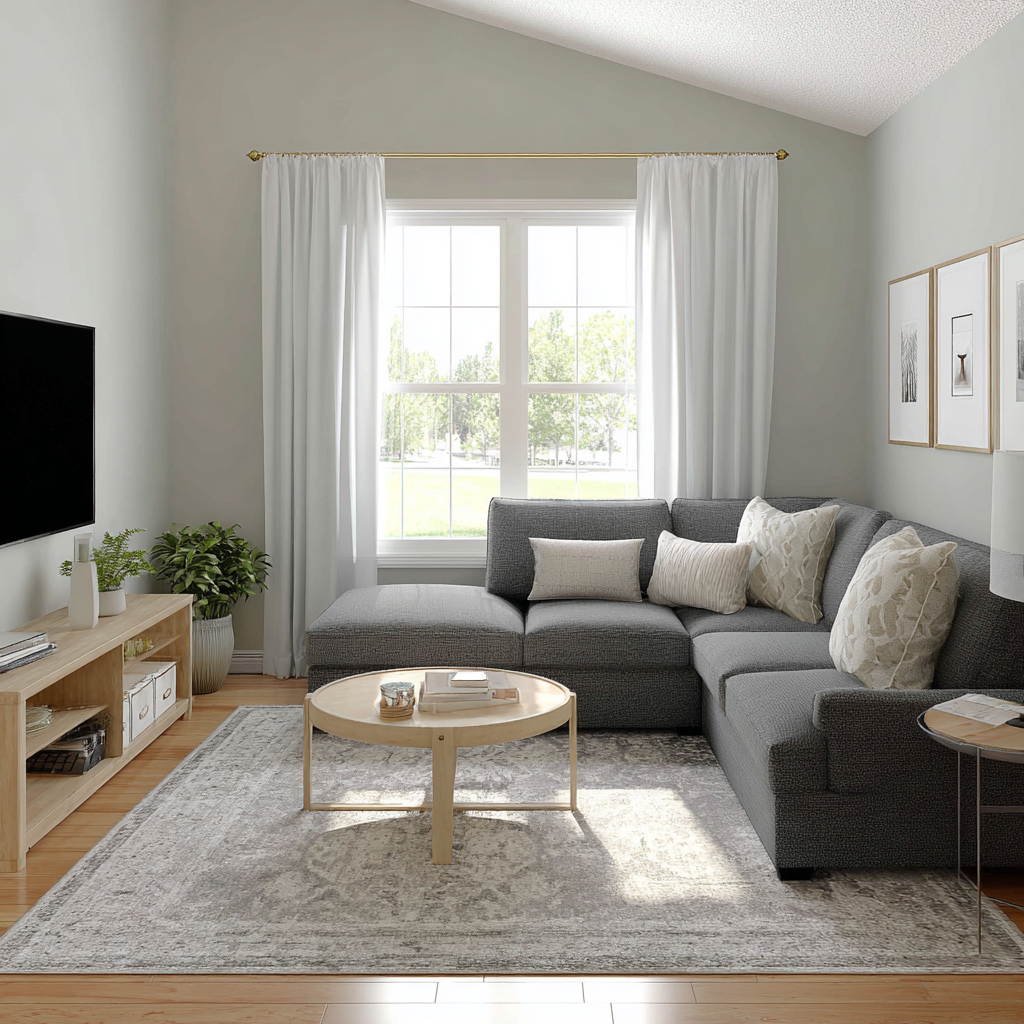
When working with limited space, creativity becomes your best tool. A small living room, for instance, can still feel open and welcoming with clever furniture placement and thoughtful design. Choosing lighter colors, using mirrors, and maximizing natural light are easy ways to make a compact space feel larger.
It’s also a good idea to focus on furniture that serves more than one purpose, like extendable tables or seating with hidden storage. These pieces reduce clutter which helps maintain that sense of openness. The goal is always comfort and function, so take time to plan before making any big decisions. A few smart adjustments can make even the smallest rooms feel like they’ve gained extra space.
Deciding when to take on a small room project yourself and when to bring in help depends on your comfort level, the type of work, and your long-term plans for the space. By striking the right balance, you can transform even the smallest rooms into functional, inviting areas that fit your lifestyle and taste.

