
Homes have always been places of shelter, but they also influence mood and overall well-being. Biophilic design centers on the idea that people benefit from regular contact with natural elements. Thoughtfully placed biophilic touchpoints throughout a home can support calm, comfort, and a stronger sense of connection to the environment without requiring major changes.
Natural Light as a Foundation
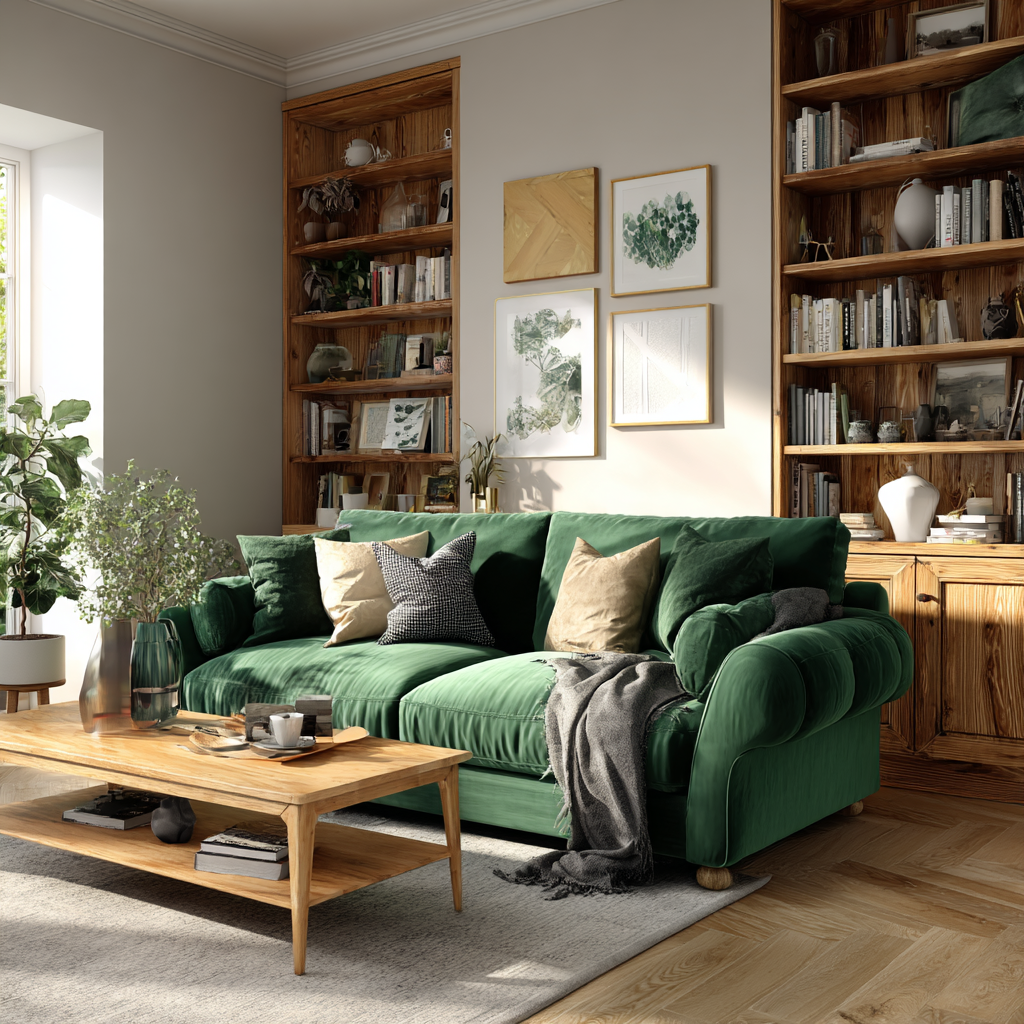
Sunlight is one of the most powerful biophilic elements available in any interior. Maximizing daylight improves comfort and supports healthy sleep rhythms. Large windows, skylights, and glass doors help extend the feeling of openness while reducing reliance on artificial lighting.
Light coloured walls and reflective surfaces can amplify natural light as it moves through a space. Window treatments that allow flexibility, such as sheer curtains or adjustable shades, help balance privacy with brightness throughout the day.
Organic Materials Underfoot and Overhead
Materials sourced from nature provide visual warmth and tactile comfort. Wood, stone, clay, and natural fibers introduce subtle texture and variation that synthetic materials often lack. Hardwood floors, exposed beams, or stone accents can ground a space and add a sense of permanence.
Textiles also play an important role. Wool rugs, linen upholstery, and cotton drapery bring softness. These materials age gracefully and often feel more inviting.
Indoor Plants as Living Elements

Plants remain one of the most accessible biophilic features for any home. Beyond their visual appeal, they support air quality and introduce gentle movement. Even a few well-placed plants can change how a room feels.
Larger plants work well in open living areas, while smaller varieties suit shelves, desks, or bathrooms. The goal is balance rather than abundance. Choosing plants that thrive in the available light reduces maintenance and keeps spaces looking healthy.
Nature-Inspired Colour and Pattern
Colour palettes drawn from nature help create continuity between indoor and outdoor environments. Earth tones, soft greens, warm neutrals, and muted blues tend to feel grounding rather than overwhelming.
Patterns inspired by leaves, water, or natural formations can appear in wallpaper, textiles, or artwork. These references do not need to be literal. Subtle repetition and organic shapes often feel more calming than bold motifs.
Sensory Details That Echo Nature

Biophilic design extends beyond sight alone. Sound, scent, and touch also shape how a space is experienced. Natural ventilation allows fresh air to circulate, while water features or outdoor soundscapes can soften background noise.
Textured surfaces encourage interaction, whether through a hand-carved table or a woven wall hanging. These small sensory cues add depth without drawing attention away from daily living.
Integrating Biophilic Design Into New and Existing Homes
Biophilic elements can be layered into existing interiors gradually or incorporated from the start in new builds. Many custom home builders now consider natural light orientation, material selection, and indoor-outdoor flow as part of early planning to support long-term comfort.
Biophilic touchpoints offer a practical way to improve interior spaces through thoughtful design choices. By welcoming natural elements into everyday environments, homes can become more restorative places that support both function and feeling. Check out the infographic below for more information.


