
Let’s be honest, you want a patio that looks great and behaves itself. Clean lines. Dry feet. No muddy paw prints marching to the kitchen. You also want a water bill that doesn’t spike every time the clouds burst. The good news? You can have both. With a few smart choices underfoot, rain stops being a nuisance and starts doing your garden a favour. Your paths stay usable, your plants get a slow drink, and you get to enjoy the space instead of chasing puddles with a broom.
Why “Pretty But Sealed” Costs You Later

Traditional slabs and poured concrete shed water. That runoff has to go somewhere, usually into drains, garden beds, or your garage if the slope is wrong. Then you end up watering plants more (because rain didn’t soak in where it should), scrubbing algae off tiles, and paying for every litre you hose away. It looks low-maintenance on day one, but it creates extra chores and sneaky costs down the line.
Let Rain Do the Heavy Lifting
Flip the script: choose surfaces that welcome water instead of rejecting it. Systems with built-in voids let rain filter through to a compacted, free-draining base. The surface stays usable quickly after storms, beds get a slow drink, and you rely less on the tap to “fix” what yesterday’s storm messed up. A great option here is Permeable Pavers, they deliver the tidy, patterned finish you want while quietly moving water below the surface so puddles don’t linger and your landscaping actually benefits.
A Simple Build That Works Hard
You don’t need a civil engineering degree to get this right, just a solid base and a few rules of thumb:
- Check the slope: Aim for a gentle fall (about 1–2%) away from structures. Even water-friendly surfaces, like help from gravity.
- Excavate and separate: Remove soft topsoil until you reach a firm subgrade. Lay a geotextile to keep soil from migrating into your base.
- Build the base: Use a free-draining aggregate (think crushed stone, not sand) and compact in thin layers. This is the hidden “reservoir” that stores and slowly releases stormwater.
- Choose the surface course: Opt for units or grids designed with joints/voids. Fill joints with clean, angular stone so water keeps moving.
- Lock the edges: Proper edge restraints prevent creep and racking, which protects those water pathways over time.
Do this, and you get a surface that feels solid underfoot but acts like a sponge when it rains.
Style Without the Eco-Lecture

Water-smart doesn’t mean “industrial car park” vibes. You can:
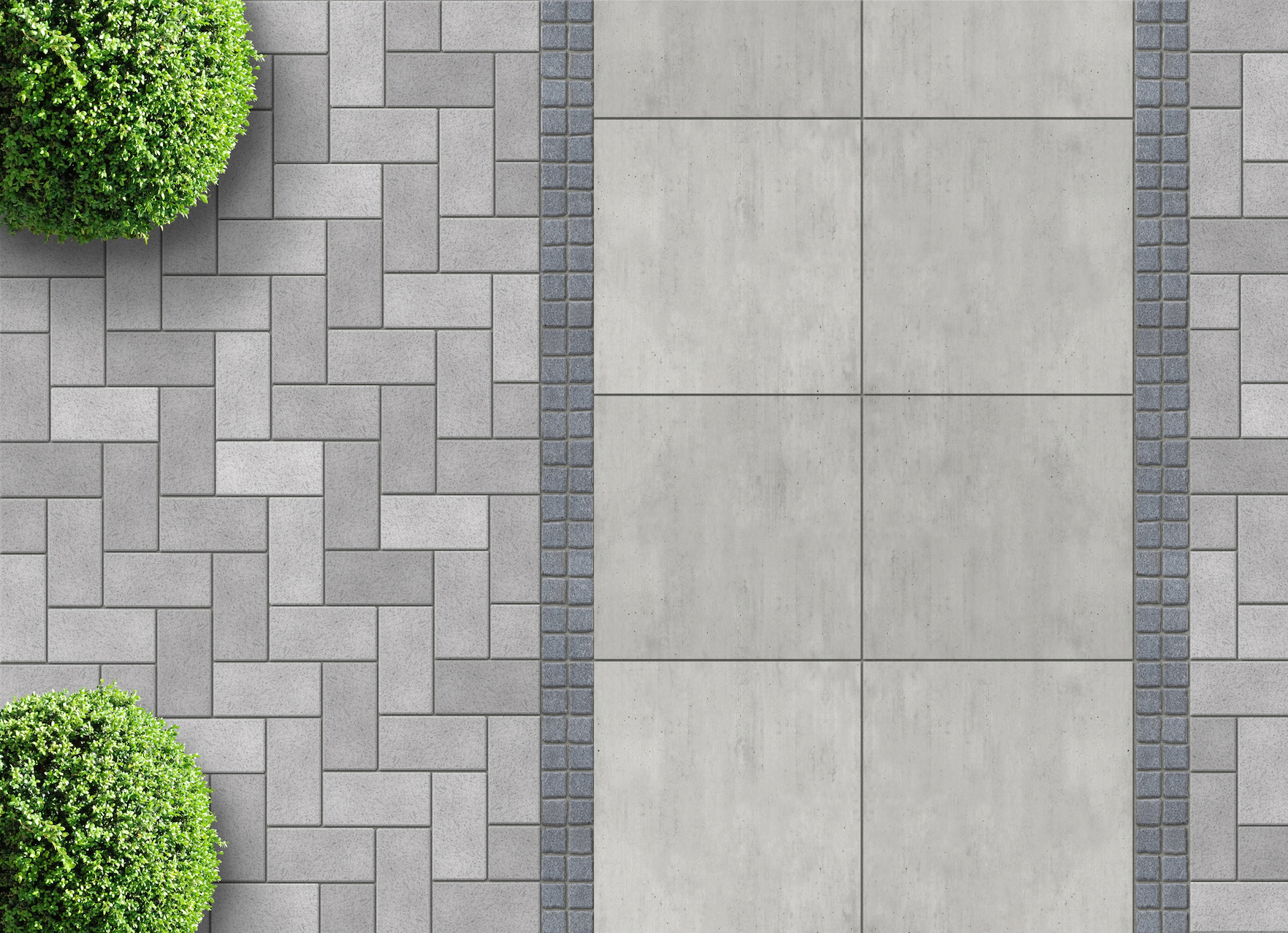
- Play with patterns: Herringbone near doors for traction, running bond on long paths to visually stretch the space.
- Blend textures: Pair smooth units on the dining zone with a slightly rougher finish by the braai for grip.
- Add green insets: Narrow planting strips or grass pockets soften hard lines and boost infiltration.
- Use borders as guides: A contrasting border defines edges and keeps stones where they belong—practical and pretty.
The trick is to design the water path into the look, not bolt it on as an afterthought.
Maintenance That Saves More Than It Asks
Keep the surface clean so voids stay open: a quick sweep beats weekend-long scrubs. Top up the joint stone if it settles. If you ever notice slow drainage, a pass with a shop vac over the joints refreshes the pathways. No harsh chemicals. No endless pressure-washing cycles. And because stormwater is handled on site, your garden benefits, and your tap does less work later.
Where To Use It (Besides the Obvious)
- Driveways: No more tyre-track rivers.
- Side paths: Direct water away from walls while keeping shoes clean.
- Pool surrounds: Lower splashback and faster dry times underfoot.
- Bins and utility zones: Hard-working corners that usually get neglected can quietly manage runoff too.
Final Thoughts
Upgrading your outdoor flooring doesn’t have to mean upgrading your water bill. Choose a surface that looks sharp, drains smart, and keeps maintenance light. When rain arrives, let it soak, store, and serve your garden, instead of sending you back to the hose. Your patio stays usable. Your plants get a steady drink. And you get weekends back. That’s the kind of “upgrade” that pays you twice.

