
A garden should give you enjoyment, not create an endless list of jobs. Many people want an outdoor space that looks attractive throughout the year without demanding hours of work every weekend. Whether you have a busy schedule, limited mobility or simply prefer spending time relaxing rather than gardening, a low-maintenance design can help you get more from your outdoor space. The key lies in making thoughtful choices from the beginning. When you reduce unnecessary upkeep and select features that suit your lifestyle, you can create a garden that stays welcoming and functional while requiring far less effort to manage.
Start with a simple, practical layout

A straightforward garden layout often proves easier to maintain than one filled with complicated shapes and numerous small planting areas. Large borders, clearly defined paths and open spaces reduce the time you spend edging, trimming and tidying. When planning your garden, think about how you move through the space and which areas you use most often.
For example, a single wide path usually requires less maintenance than several narrow winding routes. Similarly, a larger lawn with simple edges takes less time to mow than one broken up by multiple flower beds and decorative features.
Choose low-effort planting
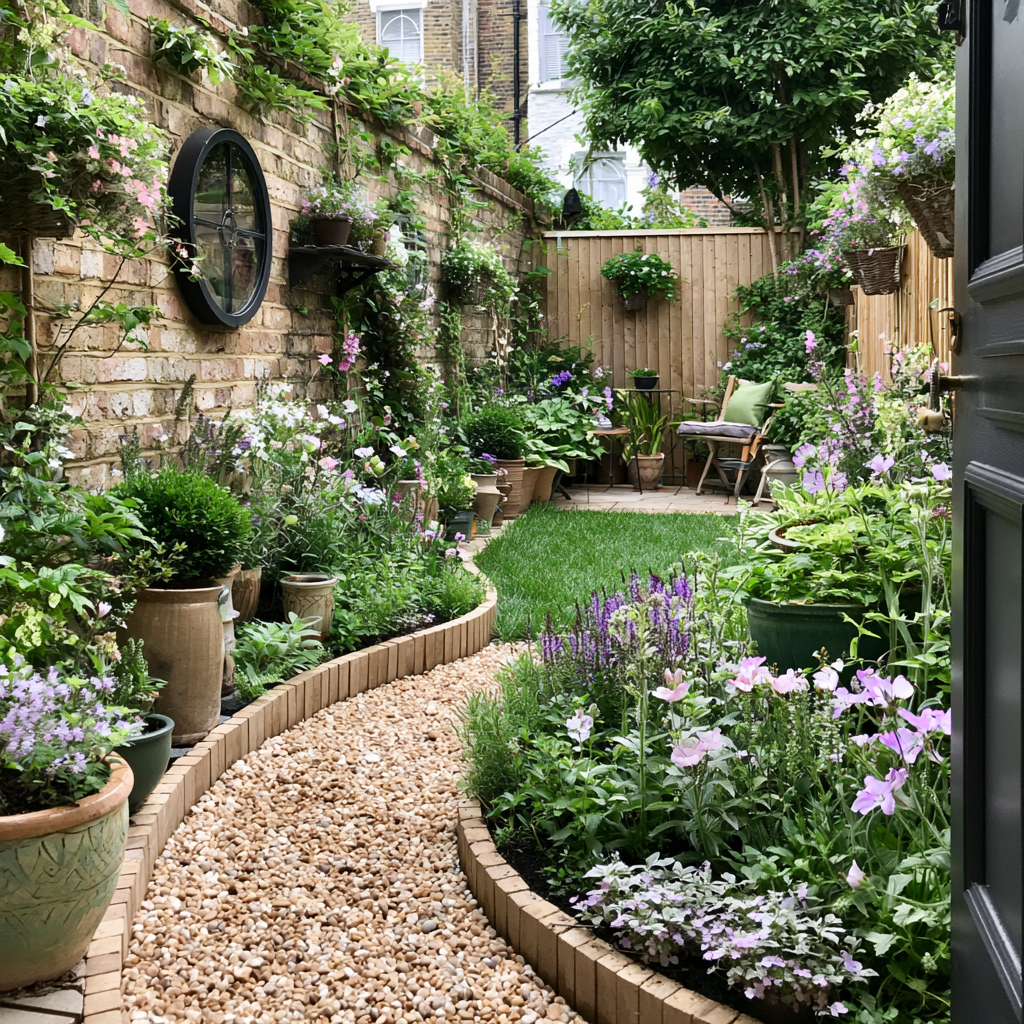
The plants you choose can make a significant difference to the amount of work your garden requires. Perennials, evergreen shrubs and hardy ground cover plants often provide long-lasting colour and structure without demanding constant attention. Lavender, hebes and ornamental grasses offer good examples because they tolerate a range of conditions and generally need only occasional pruning.
Ground cover plants can also reduce bare soil, making it harder for weeds to establish themselves. As these plants mature, they often create a fuller appearance that naturally suppresses unwanted growth.
To make gardening easier to manage, you could also consider growing plants in containers. They add height and interest to your garden with minimal effort.
Reduce watering and weeding

Many gardening tasks become easier when you focus on retaining moisture and limiting weed growth. Mulch provides one of the simplest ways to achieve both goals. A layer of bark, compost or gravel helps the soil stay damp for longer while blocking sunlight from reaching weed seeds. You can also group plants with similar water requirements.
For example, drought-tolerant plants placed in one border allow you to water more efficiently instead of treating the entire garden the same way. Over time, this approach can reduce both your water usage and the amount of maintenance required during dry weather.
Add storage and hard landscaping
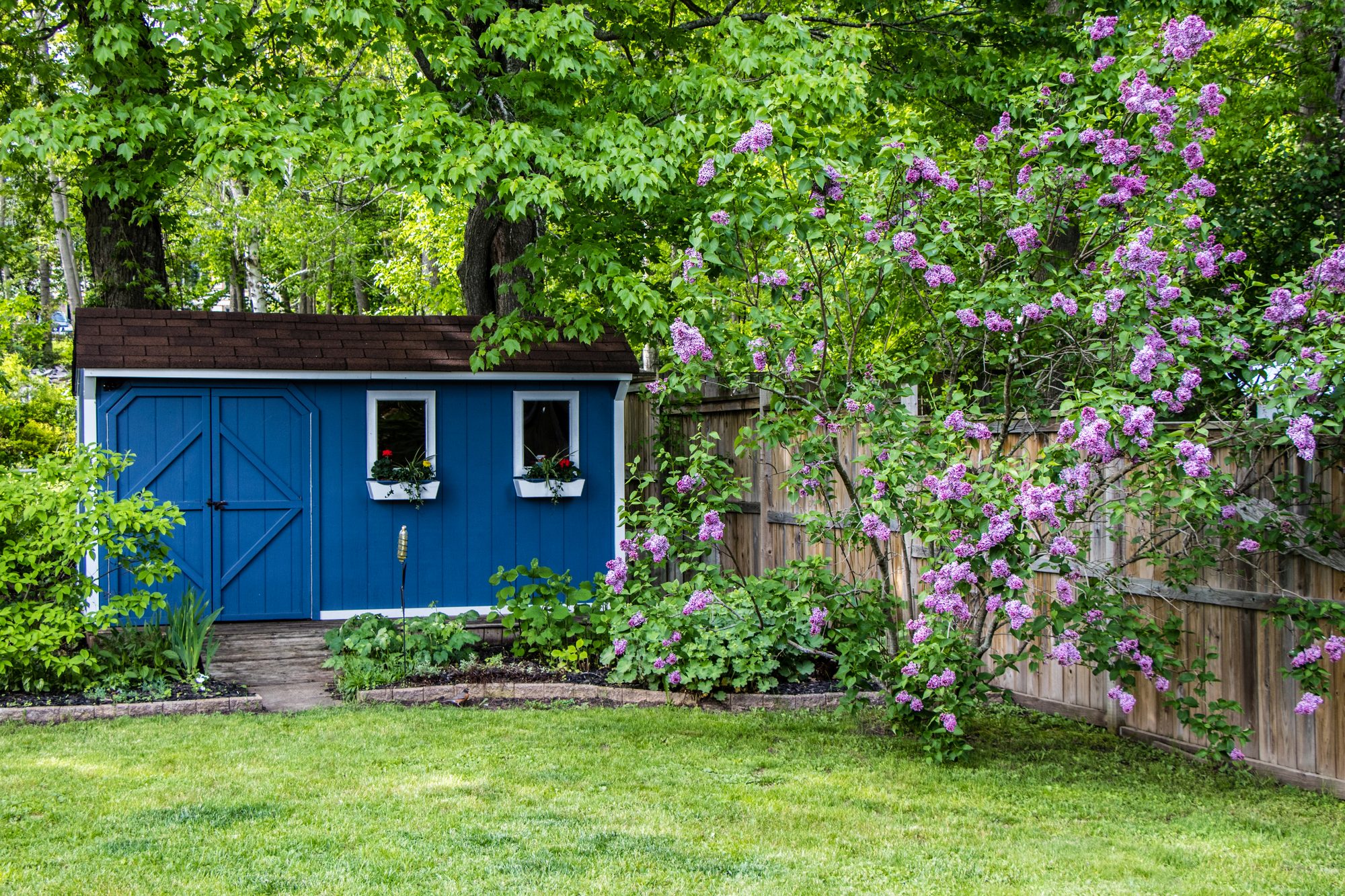
Well-chosen hard landscaping can significantly reduce upkeep. Patios, gravel areas and paved seating spaces require less regular attention than large lawns and can remain attractive throughout the year with occasional cleaning. Practical storage also helps keep maintenance under control.
Tools, pots and seasonal equipment stay organised when you have dedicated storage space, making everyday gardening tasks quicker and easier. Many homeowners use garden sheds to store equipment safely while keeping outdoor areas tidy and uncluttered.

