
If you are buying a home, especially in a place with brutal winters like Wisconsin, the roof is arguably the most critical component to inspect because it protects your entire investment from water damage, mold, and structural rot. You need to verify its age through documentation rather than hearsay, ensure it has proper ventilation to prevent ice dams, check for multiple layers of shingles that could double your future replacement costs, and look closely at flashing around chimneys where leaks usually start. That is the short answer. If you ignore the roof now, you are essentially signing up for a very expensive surprise party that nobody wants to attend.
Checking the Real Age

You walk up to a house and it looks great. The shingles look flat. The color is nice. The seller tells you the roof is “newer.” That is a dangerous word. Newer could mean three years old, or it could mean fifteen. In Wisconsin, an asphalt shingle roof typically lasts about 20 to 30 years. That sounds like a long time, but our weather is not kind. We have blazing hot summers and sub-zero winters. This causes thermal shock. The shingles expand and contract. Over and over again. Eventually, they crack.
So, don’t just take their word for it. Ask for the paperwork.
I remember looking at a place once where the owner swore the roof was five years old. It looked okay from the ground. But when we actually found the permit, it was twelve years old. That is nearly half its life gone.
If the seller can’t produce a receipt or a warranty document, you have to assume the worst. You need to know where you stand on the timeline. If that roof is 18 years old, you aren’t buying a roof. You are buying a replacement project that is waiting to happen.
Metal roofs are different, of course. They can last 40 to 70 years. But they are rarer and cost a lot more upfront. Most of the time, you are looking at asphalt. And asphalt has an expiration date.
Why Ventilation Matters More
Most people think the most important part of a roof is the shingle. It isn’t. It’s the ventilation.
This is something I wish I understood earlier. Your attic needs to breathe. It sounds weird, right? You want your house to be warm, so why would you want cold air rushing into the attic? Because in the winter, the attic temperature needs to match the outside temperature. If your attic is warm because of poor insulation or blocked vents, that heat melts the snow on the roof. The water runs down to the cold eaves and freezes. That is how you get ice dams.
You need to look for soffit vents under the eaves and ridge vents at the peak. They work together. Cool air comes in the bottom, pushes hot air out the top. It is a simple cycle. But I see so many homes where a well-meaning homeowner has shoved pink insulation right over the soffit vents to “keep the heat in.” They just suffocated their house.
Without airflow, moisture builds up. Mold grows. The plywood decking under the shingles starts to rot. It is a mess. When you are walking through a potential home, look up. If you don’t see vents, or if the attic smells like a damp basement, run. Or at least negotiate a lower price.
The Ice Dam Problem
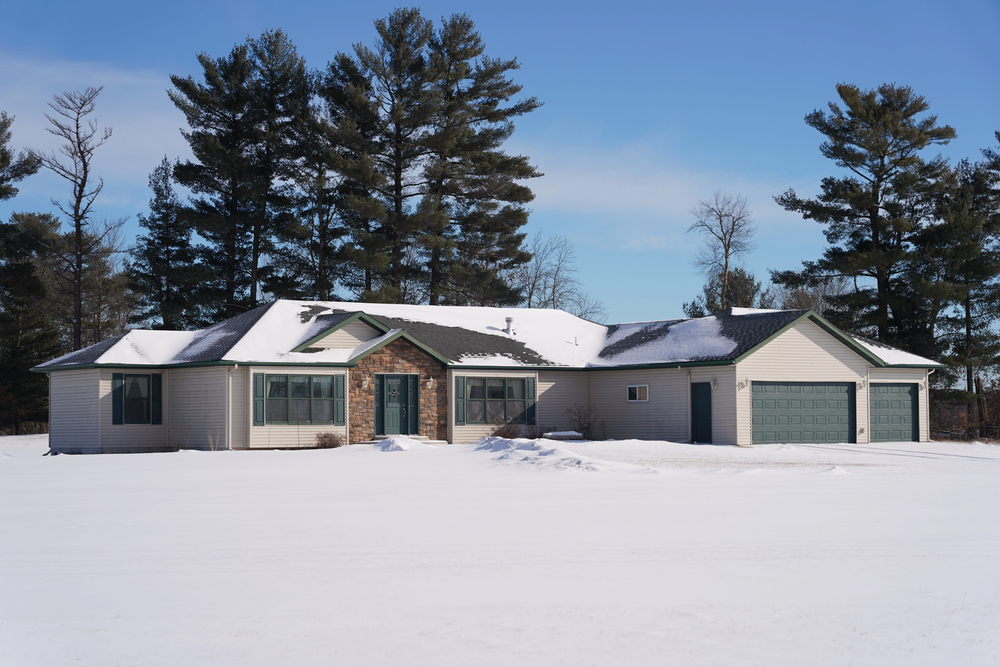
Speaking of ice dams, let’s get specific.
You know those picturesque houses on holiday cards with long, glittering icicles hanging from the gutters? They look beautiful. They are also a sign of a failing roof system. In Wisconsin, icicles are basically red flags made of frozen water.
An ice dam forms when the roof is warm enough to melt snow but the edge is cold enough to freeze it. The ice builds up a ridge. The water behind it pools. Since shingles are designed to shed water running down, not hold standing water, that pool eventually backs up under the shingles. It finds a nail hole. It drips onto your insulation. Then your drywall. Then your floor. I have seen ceilings collapse from this. It is not pretty.
If you are viewing a home in winter, look at the eaves. Thick ice is bad news. If you are viewing in summer, look for water stains along the exterior walls or inside on the ceiling corners. Ice dams leave scars.
Multiple Layers and Granule Loss
Here is a tricky one. Building codes in many parts of the US allow you to put a second layer of shingles right on top of the first one. It is cheaper. It is faster. It is also a headache for the next guy. That next guy is you.
If you buy a home with two layers of roofing, when it comes time to replace it, you have to pay to tear off BOTH layers. The labor cost jumps significantly. Maybe 20% or more. Plus, a second layer traps more heat, which cooks the shingles and shortens their lifespan. You can usually tell by looking at the edge of the roof. If it looks thick or uneven, you might be looking at a layover.
Also, check the gutters. I know, it’s dirty work. But look inside them.
Asphalt shingles are covered in tiny granules. These protect the asphalt from the sun. As the roof ages, the granules fall off. If the gutters are filled with what looks like black sand, the roof is dying. It is shedding its skin. Once the granules are gone, the UV rays eat the asphalt, the shingle curls, and water gets in. It is a simple visual check that tells you more than the seller ever will.
Sometimes sellers try to clean the gutters before a showing, but they usually miss the downspouts or the ground right below them. Look there.
Flashing Points are Weak Points
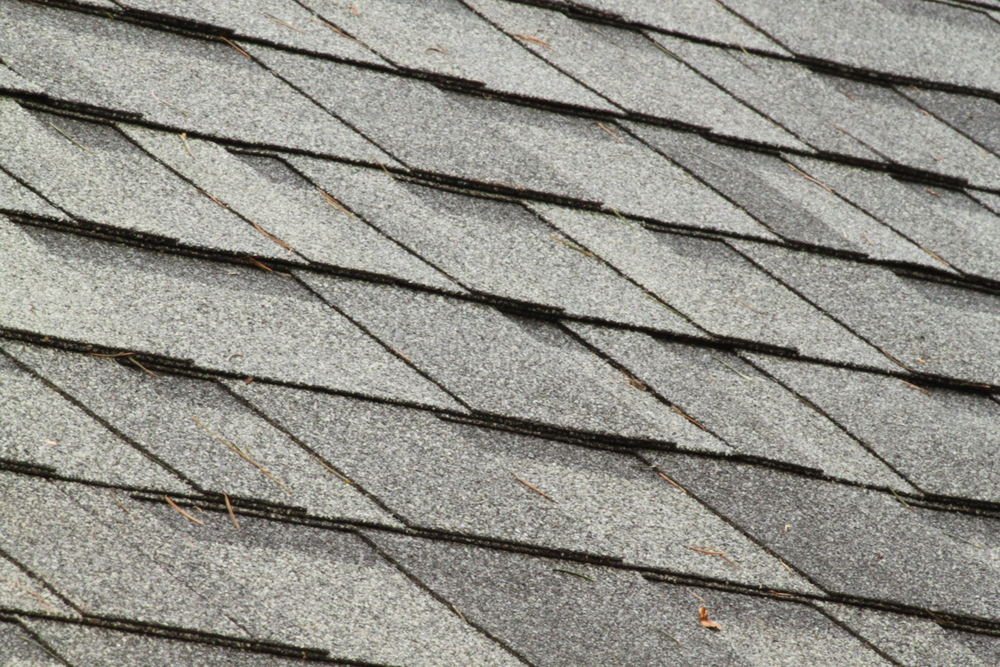
Roof leaks rarely happen in the middle of a field of shingles. They happen at the interruptions. The chimney. The vent pipes. The valleys where two roof planes meet.
This is where flashing comes in. Flashing is usually metal – aluminum or copper – that seals these gaps. You want to see metal. If you see a bunch of black tar or caulk smeared around a chimney, that is a temporary fix. It means someone tried to stop a leak on the cheap.
Caulk dries out and cracks. Metal lasts.
In our climate, the expansion and contraction of the house is significant. The chimney moves differently than the wood frame. The flashing needs to accomodate that movement. If it is rusted through or pulled away, water will pour in. I once looked at a house where the flashing was literally held on with duct tape and spray paint. The seller hoped nobody would notice. We noticed.
Gutters and Drainage
You can’t separate the roof from the gutters. They are teammates. The roof catches the water & the gutters carry it away.
If the gutters are clogged, the water has nowhere to go. In a heavy storm, it spills over the edge. This can ruin your siding and, worse, your foundation. But in winter, clogged gutters are the best friend of the ice dam. The ice has a perfect place to anchor and grow.
Check if the gutters are securely attached. Snow is heavy. If the gutters are pulling away from the fascia board, they won’t handle a Wisconsin February. They might just rip off the house entirely. I’ve seen it happen. A heavy snow load slides off a metal roof and takes the gutter down with it like a guillotine.
Moss, Algae, and Warranties
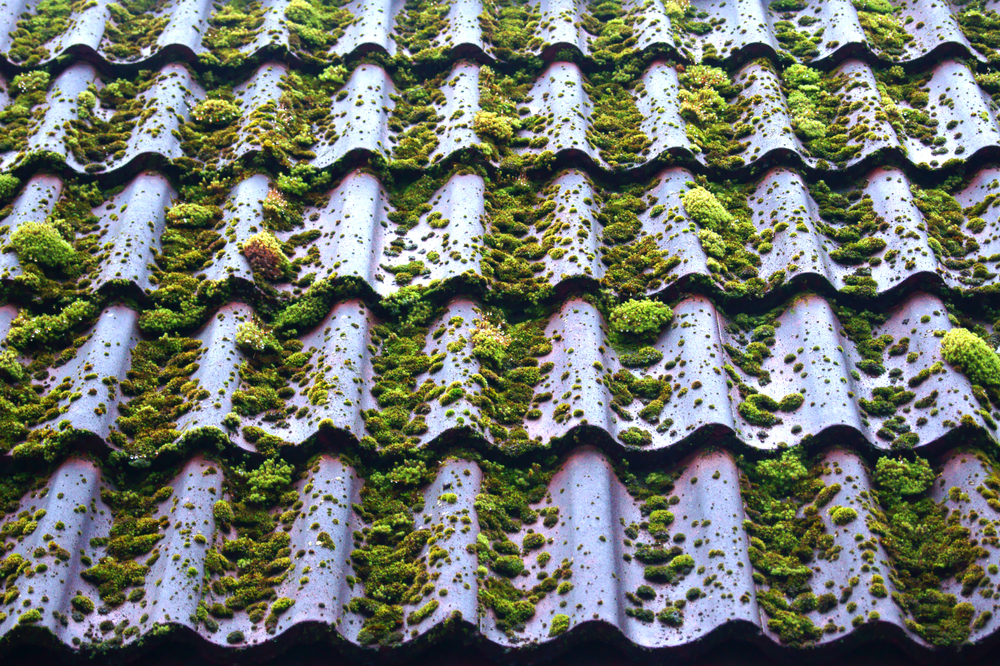
You might see black streaks on a roof. That is usually algae. It looks ugly, but honestly? It is mostly cosmetic. It doesn’t really hurt the shingle that much. You can clean it if you are careful.
Moss, on the other hand, is different. Moss is green and fuzzy and bad. It grows in shaded areas. Its roots actually lift the edges of the shingles up. This allows wind and water to get underneath. Plus, moss acts like a sponge. It holds water against the roof surface constantly. That accelerates rot. If you see thick moss, the roof is degrading faster than normal.
Now, about warranties. This is boring paperwork stuff, but it matters. Some roofing warranties are transferable to the new owner. Some are not. Some have a small fee to transfer. If the seller put a new roof on 5 years ago, that warranty could save you thousands if a material defect pops up. But you have to ask. Don’t assume it transfers automatically. You usually have to file a form within 30 days of closing. If you miss that window, the warranty evaporates.
Why You Need a Specialist
When you buy a home, you hire a home inspector. That is standard. But general home inspectors are generalists. They know a little bit about plumbing, a little about electrical, and a little about roofs. They often inspect the roof from the ground with binoculars because they aren’t allowed (or don’t want) to walk on it, especially if it is steep or snowy. They can miss things.
If the roof looks even slightly questionable, bring in a pro. A dedicated roofing contractor will climb up there. They will lift a shingle to check the nailing pattern. They will look at the flashing up close. If you are buying a home in the Fox Valley area, having a certified expert like Valley Exteriors Appleton, Wisconsin inspect the roof can save you thousands in unexpected repairs down the road. They know exactly what Wisconsin weather does to a home.
A general inspector might say “roof appears serviceable.” A roofer will say “that valley flashing is rusted and you have about six months before it leaks into the master bedroom.”
Which opinion would you rather have?
Final Thoughts
Buying a home is exciting. It really is. But it is also terrifying because you are taking ownership of every single problem that structure has. The roof is your first line of defense. It takes the beating so you don’t have to.
Don’t be afraid to ask tough questions. Don’t be afraid to ask for money off the asking price if the roof is shot. And definitely don’t ignore the signs just because you fell in love with the kitchen. Kitchens are fun, but a solid roof keeps the kitchen dry. Use your head, check the details, and you will sleep a lot better when that first winter storm rolls in.

