
When you step into your home, does it instantly feel warm and welcoming, or does something about it feel a little on the chilly side? It’s easy to assume the thermostat is to blame, but the truth is, temperature isn’t the only factor that shapes how cosy a space feels. Your choice of décor plays a surprisingly big role, too.
From the colours on your walls to the way natural light filters in, even small design decisions can make a room feel cooler than you’d like. And the problem is, no matter how high you turn up the heating, if your décor is giving off “cold vibes,” you’ll still struggle to create that snug, inviting atmosphere we all crave.
With that in mind, let’s take a closer look at the elements in your home’s design that could be making it feel colder – and what you can do to warm things up.
The Colour Palette You’ve Chosen
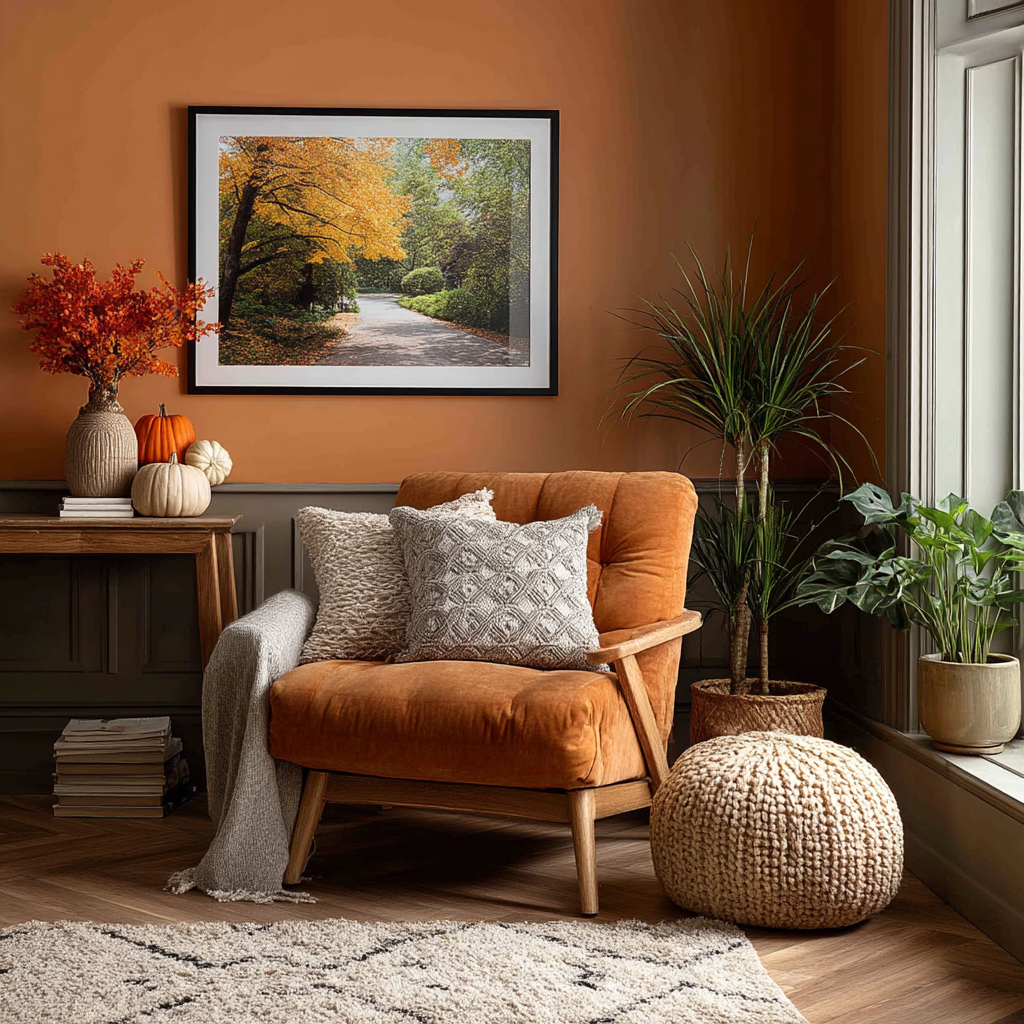
Colour has an enormous influence on how a room feels. Cool tones like grey, icy blue, white, or certain shades of green can easily tip a space into feeling cold and stark, especially in winter. They bounce light in a way that can feel sharp rather than cosy.
That doesn’t mean you need to paint every wall deep red or mustard yellow. Instead, think about balance. If your walls are a cool tone, warm things up with soft furnishings in richer, cosier shades – try burnt orange, rust, terracotta, or even warm neutrals like taupe and beige. A few changes to cushions, rugs, and throws can instantly take the edge off that chilly feel.
Forgetting the Power of a Focal Point
A cosy home isn’t just about warmth; it’s about where your eyes (and your body) are drawn when you walk into a room. If your living space doesn’t have a clear focal point, it can feel a little flat and cold. Fireplaces, for example, naturally create a sense of comfort. If you don’t have a working chimney, modern options like gas fires and electric fires can be a brilliant alternative.
They not only provide real heat but also add that comforting glow and homely feel you’d usually associate with a traditional fireplace. Even if you don’t light it every evening, having a fire – whether gas, wood, or even electric – creates a visual warmth that instantly makes the room feel cosier.
Bare Floors Without Soft Layers

Hardwood, tiles, or laminate flooring can look stylish, but they also have a habit of making a space feel colder. Without something underfoot, the chill lingers, especially on winter mornings when stepping out of bed onto a cold surface is the last thing you want.
Adding rugs is the quickest fix. A large area rug anchors a room and brings a sense of warmth, while smaller layered rugs in hallways or by the bed make those spaces feel cosier. Choose textures like wool, shag, or thick cotton weaves for extra comfort.
Overlooking Small Fixes That Make a Big Difference
Sometimes it’s not the big décor choices that make your home feel colder, but the little details you’ve forgotten. A gap under a door can let in a surprising amount of chill, leaving the whole room feeling less cosy. The simplest solution? Add a draught excluder.
Not only do they stop cold air sneaking in, but they also come in plenty of stylish designs these days; from sleek modern versions to fun, characterful ones shaped like animals. It’s a tiny change that can instantly help your décor feel warmer and more comfortable, without relying solely on your heating.
Too Much Natural Light (or Not Enough)

Light plays tricks on how we perceive temperature. A room flooded with daylight can sometimes feel cooler, especially if it’s north-facing and gets that sharper, colder light. On the flip side, dim or shadowy corners can feel chilly and unwelcoming.
The key is balance. Sheer curtains can soften harsh daylight while still letting it in. In darker rooms, use layered lighting: floor lamps, table lamps, and warm-toned bulbs that mimic natural sunlight. A warm glow instantly makes a room feel more comfortable, even if the thermostat hasn’t budged.
Large, Empty Windows
Big windows are wonderful for views, but without the right treatment, they can let the cold seep in—both literally and visually. Bare panes or thin blinds can make a room feel stark and exposed.
Heavy curtains or layered window dressings are your friend here. Choose lined curtains in thicker fabrics for winter, and add a blind underneath if you want flexibility. Even visually, the softness of fabric makes the space feel warmer and more enclosed.
Sleek, Shiny Surfaces Everywhere

Modern interiors often lean into glass, chrome, and high-shine finishes. While they look stylish, too many reflective surfaces can create a sterile, almost clinical feeling, like walking into a showroom rather than a home.
The remedy? Mix in matte and textured finishes. A wooden coffee table, a woven basket, or a linen lampshade can break up the shine and reintroduce warmth. Aim for a balance of glossy and tactile surfaces to keep the room feeling inviting.
Lack of Personal Touches
Sometimes, what makes a home feel cold isn’t the colour or the furniture—it’s the absence of personality. A house without photos, artwork, or little quirks can feel impersonal, like a hotel room.
Displaying personal items doesn’t have to mean clutter. A gallery wall of family photos, a favourite print above the sofa, or souvenirs from travels all add character and warmth. They tell a story and make the space feel lived-in, which automatically feels more inviting.
Furniture Layout
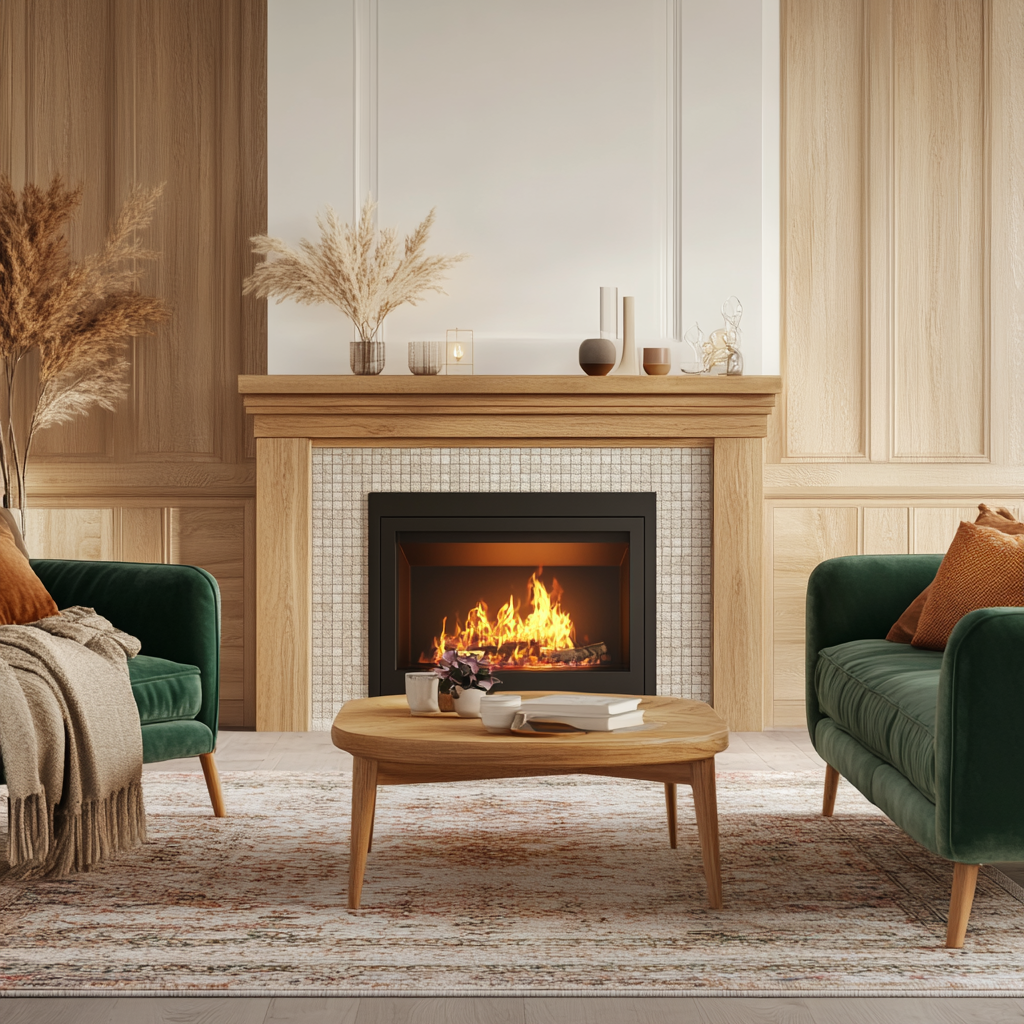
Believe it or not, how you arrange your furniture can change the “temperature” of a room. If everything is pushed against the walls or spaced out too much, the room can feel cavernous and cold.
Try bringing furniture closer together to create cosy zones. Angle chairs towards each other to encourage conversation, or position a rug and coffee table to anchor the seating area. A more intimate arrangement helps the room feel warmer and more welcoming.
Too Many Cool Metals
Metals like chrome, steel, and silver accents can sometimes cool down a space visually. Used sparingly, they’re sleek and modern, but if they dominate, the room may feel uncomfortably cold.
Mix metals with warmer finishes, such as brass, bronze, or even black matte. Pair them with natural materials like wood or rattan to soften their impact and restore balance.
Neglecting Seasonal Switch-Ups

If your décor stays the same all year round, your home might not adapt well to seasonal changes. Light cotton throws and pale linens might feel perfect in summer, but they won’t help in January when you’re craving cosiness.
Switching your soft furnishings with the seasons is a simple trick. Swap lightweight fabrics for chunky knits, velvet cushions, or faux-fur throws in winter. When spring comes, bring back the lighter textures. That rotation keeps your home feeling in tune with the weather, and keeps you comfortable.
Final Thoughts
Your thermostat isn’t the only thing controlling how warm your home feels. Décor choices – from colours and textures to lighting and layout – play a big part in how inviting a space seems. The good news is, small changes can make a big difference. Layer up soft furnishings, play with warm lighting, and don’t shy away from adding personal touches.
With a few thoughtful tweaks, you can transform a room that feels cold and flat into one that wraps you up in comfort the second you walk through the door.

