
Garages are often treated as little more than long-term storage in modern homes – and if you’re like most people, then long-term storage often means “dump it and forget it”. So the space can become a repository for half-empty paint tins, rarely-used tools, and boxes of clutter that occupy that purgatory between “no place in the home” and “don’t want to throw away”. However, with a little bit of forward planning, the garage can become one of the most versatile areas in the home.
Safety first: Why you need to plan smartly

A garage can be a useful space that you enjoy being in, but before it can be that, it needs to be a safe zone. Nothing heavy should be stored above head height, the floor should be kept clean and dry (especially in winter, when wet patches can become icy patches all too quickly).
And perhaps most importantly, it needs to be well lit. A bright, low-maintenance option such as an LED batten light can ensure that light gets all around the space, including in corners which can become breeding grounds for mould if left to the dark.
Taking these safety steps and having rules for using the garage will ensure that you get the best use out of the space and save time with clear-ups and quick fixes later on.
Judge the space you have
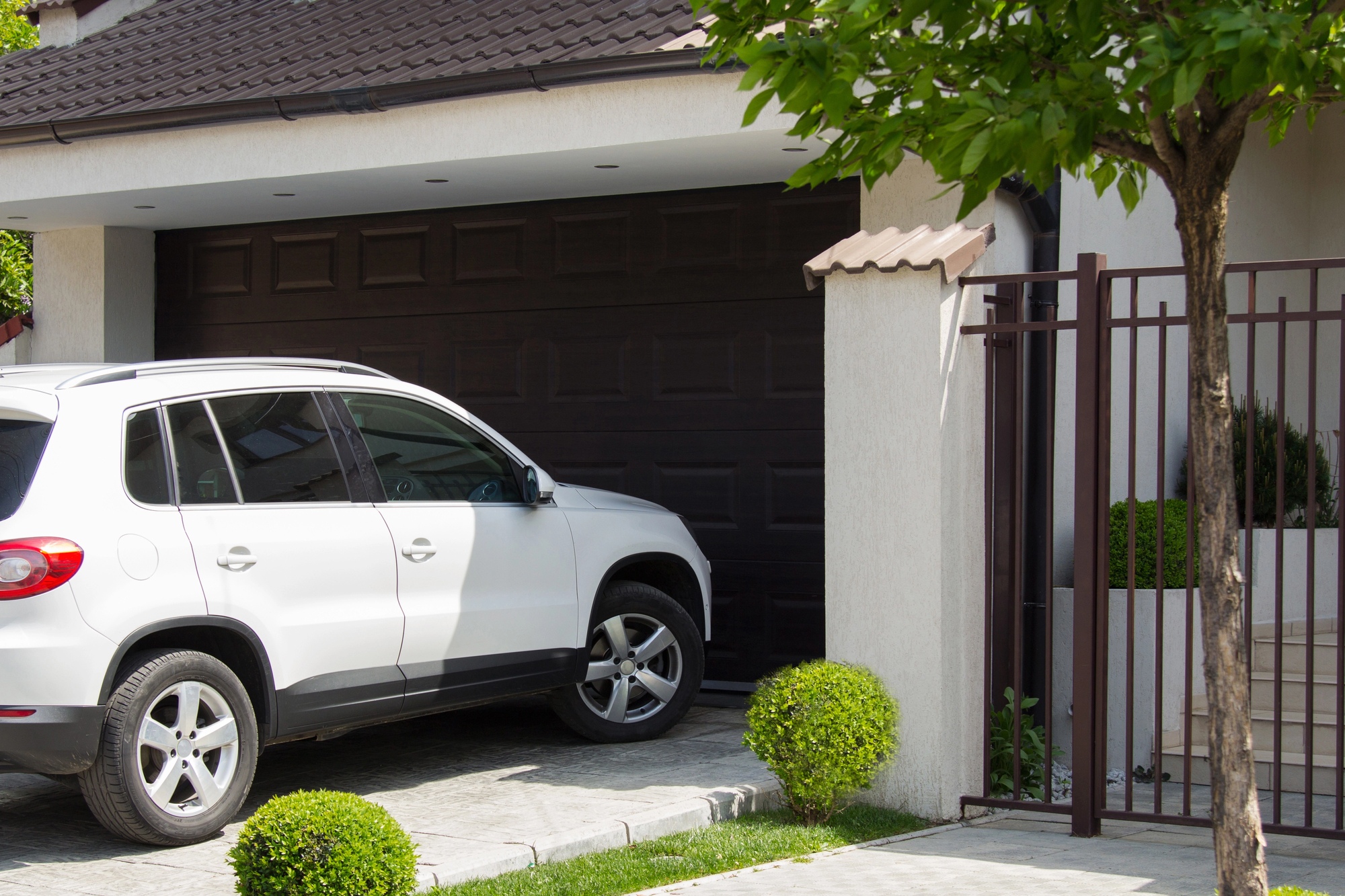
If you have a garage, you probably have a car, and you should be able to park the latter in the former. But the car doesn’t have to be the only thing that lives in there – give it pride of place in the middle and then measure around it to see what can fit in the space. Ideally, you’ll be able to use the edge spaces for storage and potentially even have a dedicated workspace at one end.
Install shelving & use space wisely

When it comes to storage, the garage is the perfect place to get creative. While indoors, even storage spaces need to fit the aesthetic, you can be more rough and ready in the garage. Heavy-duty shelving such as garage racking can take the weight of those paint cans and bulkier items as well as at least one toolbox.
Shelving should, ideally, be secured to the wall to reduce wobble and free up as much floor space as possible, increasing freedom of movement. Keeping the floor as clear as possible enables you to sweep up easily, avoid trip hazards, and access everything without rigmarole.
Create a workbench area

If you have leanings towards DIY or simply want to get a bit handier, consider installing a compact workbench. Unless you’re minded to become a full-time handyperson, it doesn’t need to dominate the space; foldable options and wall-mounted benches are available. What it does allow is for these projects to be contained somewhere that doesn’t crash other spaces. To put it another way, you don’t need to take over the kitchen table to fix the vacuum cleaner when you have a stable dedicated space.
Above this bench, a pegboard or metallic strip can hold screwdrivers, pliers and other essentials and can be added to as you acquire more tools.

