
When a household appliance breaks down, it’s tempting to roll up your sleeves and try fixing it yourself, especially if you’re hoping to save a bit of money. But while DIY can be satisfying in some areas of the home, appliance repair is often best left to the pros. One wrong move could lead to bigger problems, costly damage, or even pose a serious safety risk to you and others in your home.
Risk Of Electric Shock
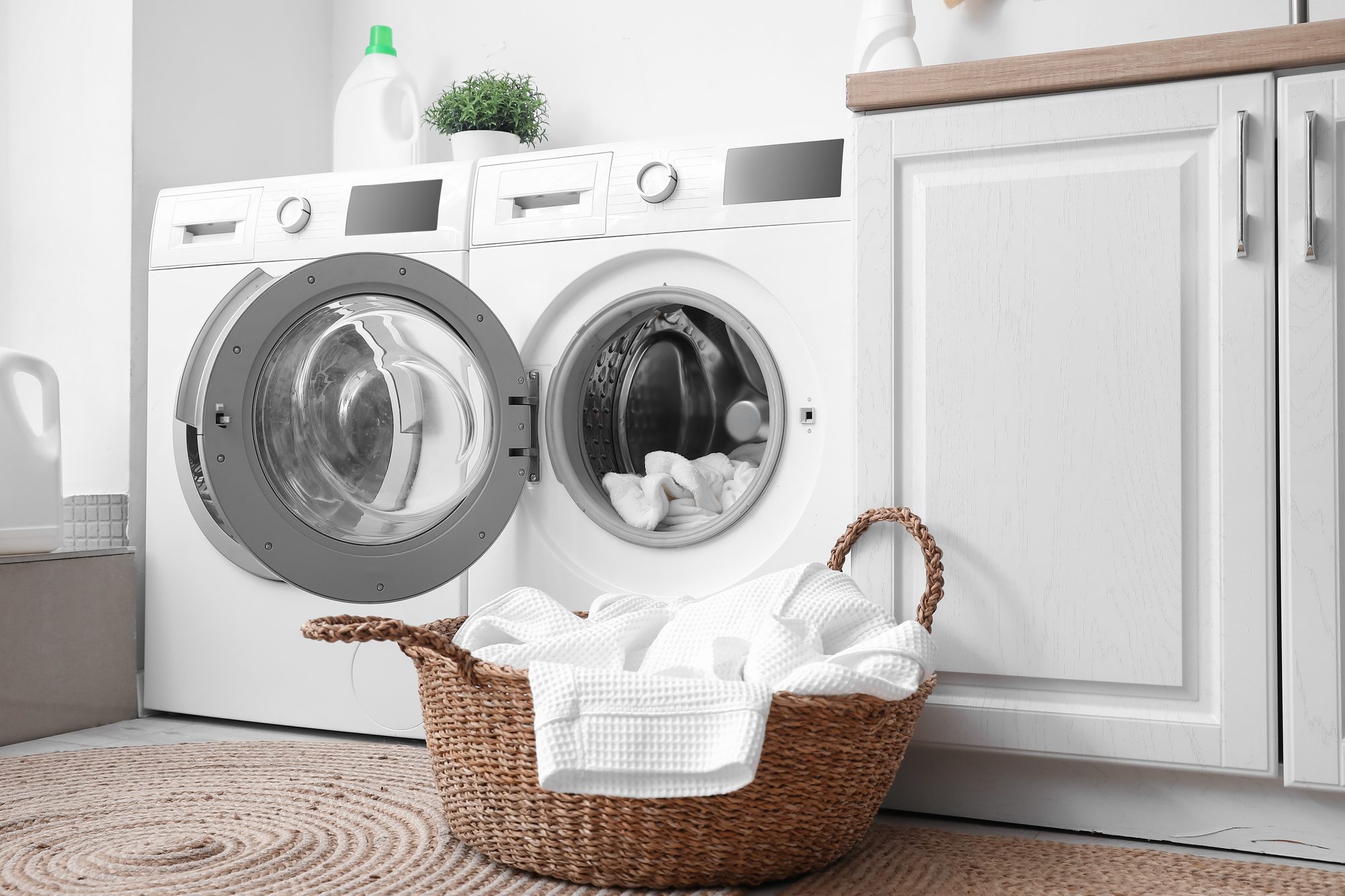
One of the biggest dangers of DIY appliance repair is the risk of electric shock. Large appliances like washing machines, microwaves, and fridges are powered by high-voltage systems that aren’t just complex — they can be downright dangerous if handled incorrectly.
Even if you think you’ve unplugged everything, residual power can still remain in certain components. Without the right training, you could easily make the problem worse or even cause irreversible damage, which might stop a professional from being able to fix it later. It’s simply not worth the risk. To stay safe and protect your appliance, it’s always best to leave the repair work to someone qualified, so book an appliance repair with Pakenham Appliances.
Gas Appliances Are No DIY Job
Gas appliances — like stoves, ovens, and heaters — can be extremely dangerous if tampered with. Even a small mistake when handling gas lines can lead to a serious leak, putting your home and health at risk. What might seem like a simple repair could actually be masking a deeper issue in the system, and without the proper knowledge or training, you could make things worse.
In the worst-case scenario, a mishandled gas repair can lead to fire or explosion — risks that simply aren’t worth taking. If you suspect a gas-related problem, always call a qualified gas technician. It’s the safest and smartest way to protect your home and everyone in it.
Refrigeration Systems
Refrigeration systems might look straightforward from the outside, but under the hood, they’re surprisingly complex. These appliances rely on refrigerants — powerful chemicals that absorb heat to keep things cool. If handled incorrectly, refrigerants can pose serious health and environmental risks.
Without the proper tools or expertise, you could cause leaks, damage the system further, or even put yourself in harm’s way. When it comes to repairing fridges or freezers, it’s best to leave it to the professionals. Trying to DIY these fixes often leads to more trouble than it’s worth.
Water Heaters And Boilers

Water heaters and boilers are under high pressure and often contain scalding water and high-voltage components — a dangerous combination if handled incorrectly. Whether it’s a faulty thermostat, a leak, or a strange noise, trying to fix it yourself can be risky. Worse still, tampering with a boiler system can violate local regulations and lead to safety certificate issues, especially if you’re renting or planning to sell your home. It’s always safer to get a qualified heating engineer or plumber on board.
Dishwashers
Dishwashers combine water, heat, and electricity — not a mix you want to mess with without proper training. Many of the faults that occur involve internal hoses, wiring, or sensors, and accessing them without damaging other components takes specialist knowledge. Improper repairs can also result in water leaks, which may go unnoticed and lead to hidden mould or structural damage.
Instead of turning a minor issue into a major headache, save yourself the trouble and hire a professional who can safely diagnose and fix the problem.
Final Thoughts
While the urge to fix things yourself can be strong — especially when it feels like the cheaper or faster option — some appliances are simply too complex or dangerous to tackle without the right training. From high-voltage components to gas lines and chemical refrigerants, these systems require expert knowledge to repair safely and correctly.
Attempting a DIY fix not only puts your safety at risk but can also lead to bigger problems down the line or void any existing warranties. When in doubt, it’s always best to call in a qualified professional. You’ll save yourself time, stress, and potentially a whole lot of money — and more importantly, you’ll keep your home and loved ones safe.

