
A garden should be more than just a collection of plants and flowers. It can also be an extension of your personal style, providing a space where creativity and nature work together. One of the most effective ways to transform an outdoor area is by incorporating decorative art throughout the landscape.
From sculptures and wall displays to handmade features and repurposed materials, garden art can add character, create focal points, and help make any outdoor space feel unique. Whether you have a compact courtyard or a large landscaped garden, there are countless ways to introduce artistic elements that complement your surroundings.
Create a Focal Point with Sculptures
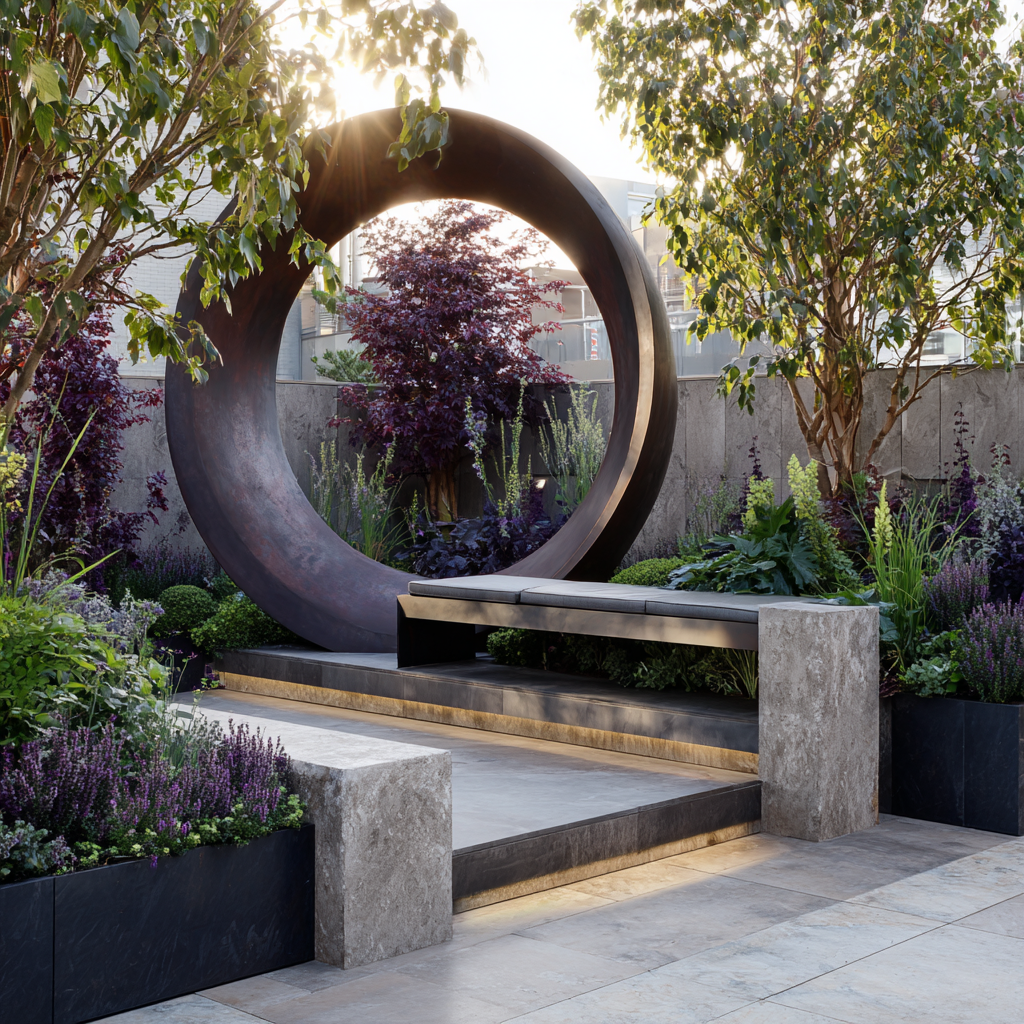
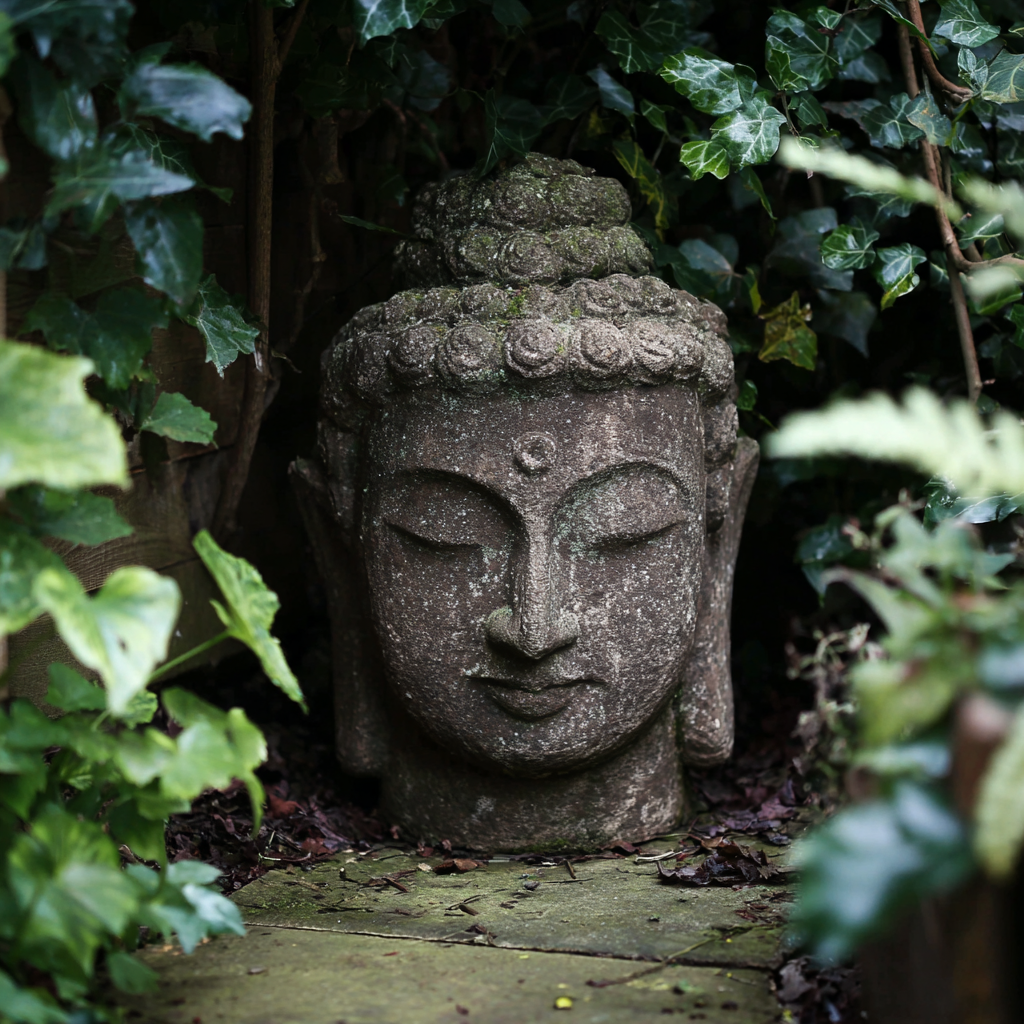
Garden sculptures are one of the most popular forms of outdoor art. They can range from traditional stone ornaments to contemporary metal designs that stand out against greenery and flowers. Positioning a sculpture at the end of a pathway, within a flower bed, or in the centre of a lawn can help draw attention to specific areas of the garden. Larger pieces often work best as statement features, while smaller sculptures can be used to add interest throughout the space. Metal sculptures are particularly effective, though, because they can withstand outdoor conditions while developing a natural patina that enhances their appearance over time.
Transform Walls with Decorative Artwork
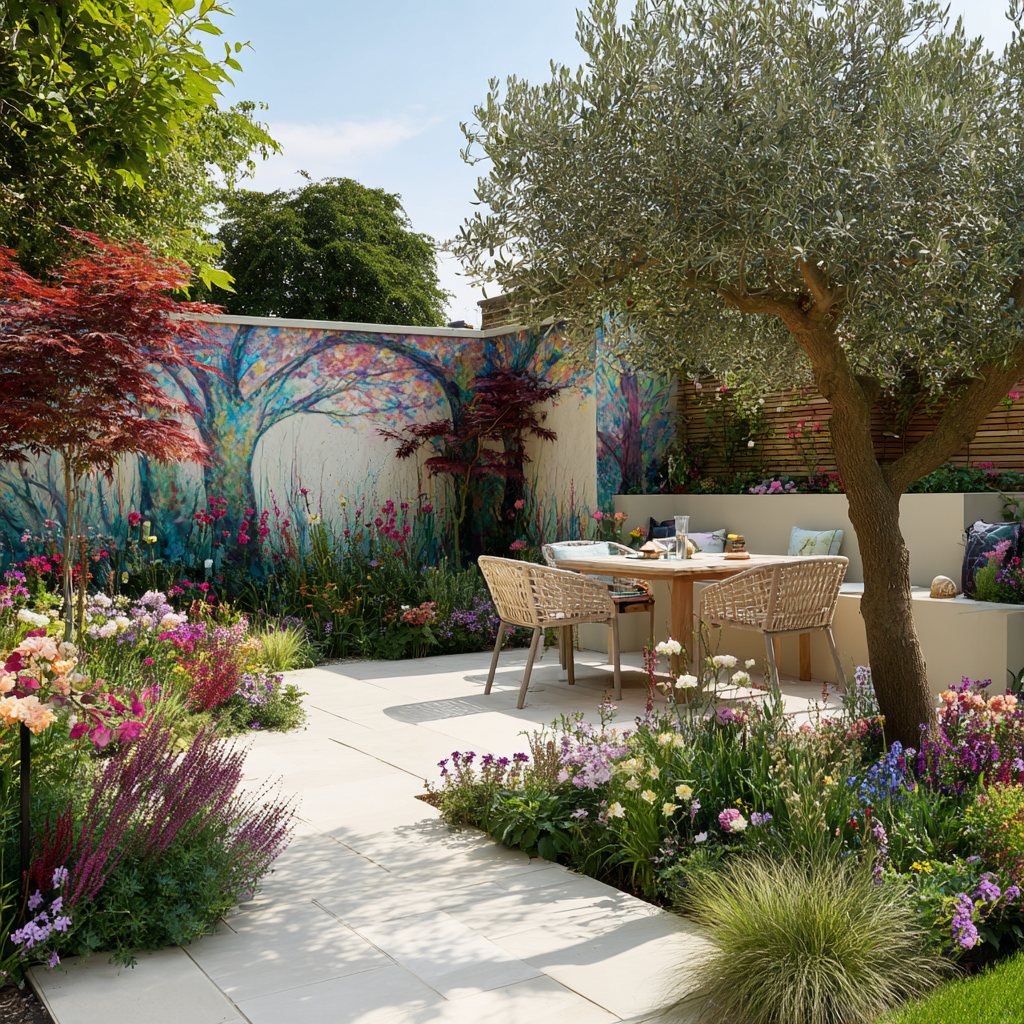
Garden walls, sheds, and outbuildings offer excellent opportunities to display outdoor artwork. Decorative metal panels, signs, and wall-mounted sculptures can add texture and visual interest to otherwise plain surfaces.
When installing metal artwork on concrete or masonry walls, it is important to use suitable fixings that provide a secure attachment. Depending on the size and weight of the piece, many homeowners use masonry nails for concrete when fixing lightweight decorative items to solid surfaces. It can help ensure artwork remains stable and secure even when exposed to outdoor weather conditions. When you’ve got everything you need to hang your art, make sure to position it carefully. You want to create visual balance and make smaller garden spaces feel more inviting, so where you place it matters.
Introduce Artistic Plant Displays
Decorative planters and creative plant arrangements can act as works of art in their own right. Mixing containers of different shapes, sizes, and materials can create an eye-catching display that enhances the overall design of the garden. Consider using painted pots, metal containers, or handcrafted planters to add additional personality. Grouping them together at varying heights can help create depth and visual appeal.
Use Reclaimed Materials
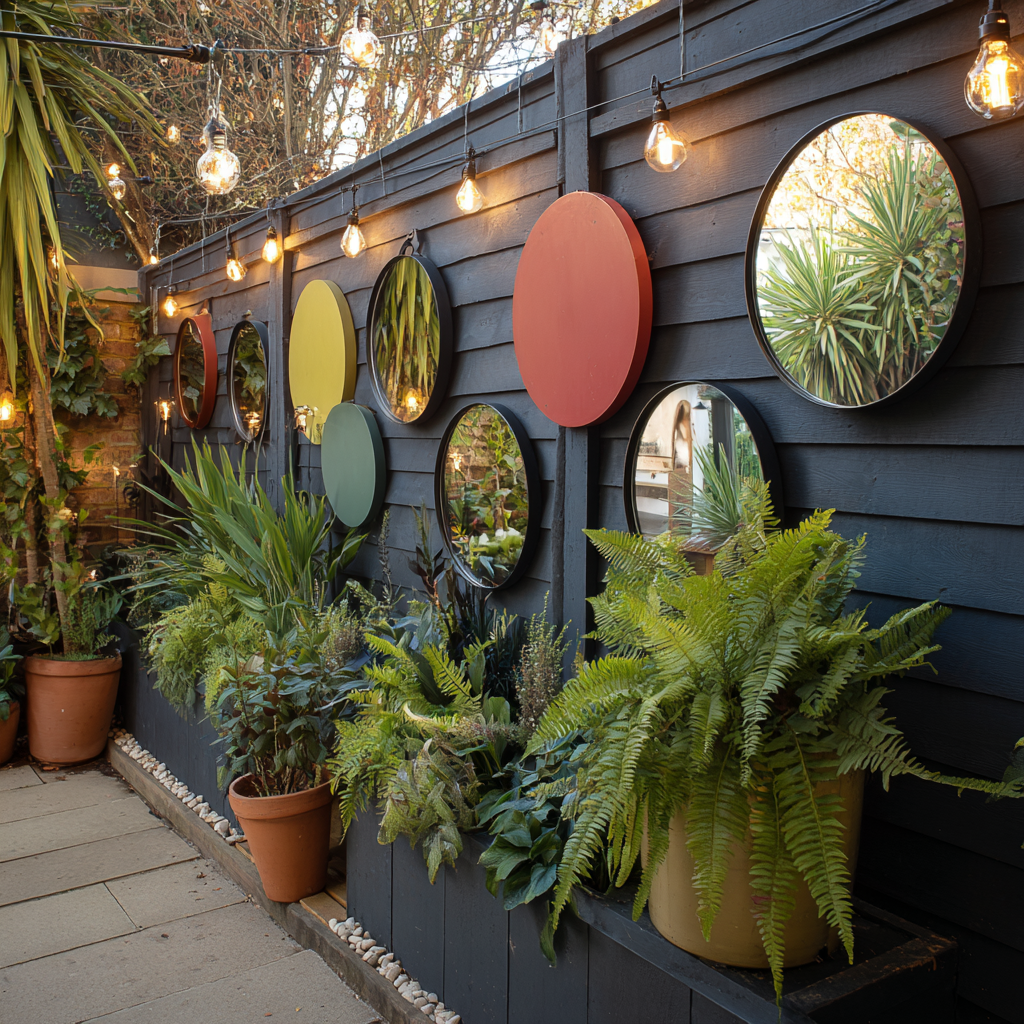
Repurposed materials offer an excellent way to introduce unique artistic elements while supporting sustainable design practices. Old metal tools, reclaimed timber, vintage wheels, and unused household items can often be transformed into decorative features. These pieces add character and can become conversation starters when incorporated thoughtfully into the garden design. The contrast between natural planting and reclaimed materials often creates a striking visual effect that helps gardens feel more individual and creative.
Add Movement with Kinetic Art
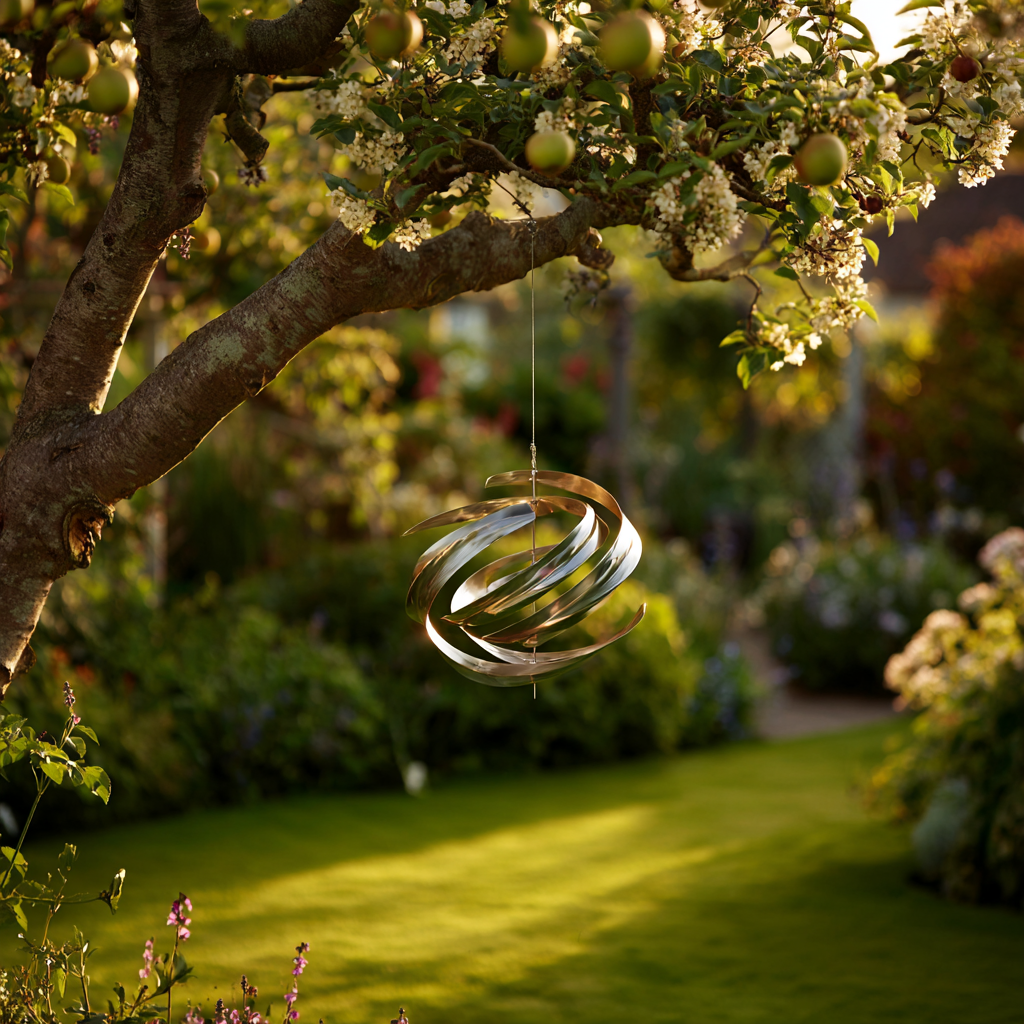
Decorative art does not have to remain static. Wind spinners, moving sculptures, and hanging ornaments can bring an additional dimension to your outdoor space. As these features respond to changing weather conditions, they create movement and visual interest throughout the day. Placing kinetic art where it can catch natural airflow can maximise its impact and provide an ever-changing focal point within the garden.
Final Thoughts
Adding decorative art to your garden is an effective way to create a more personalised and visually engaging outdoor environment. Whether you choose sculptures, wall-mounted artwork, reclaimed materials, or kinetic features, the right pieces can help transform an ordinary garden into a unique and inviting space.

