
Pest activity follows predictable patterns tied to weather, food availability, and shelter needs. Understanding when certain pests are most active helps homeowners stay prepared rather than reactive. A yearly pest calendar offers a practical way to anticipate issues, reduce infestations, and protect the comfort of your home throughout the year.
Winter: Indoor Seekers and Silent Invaders
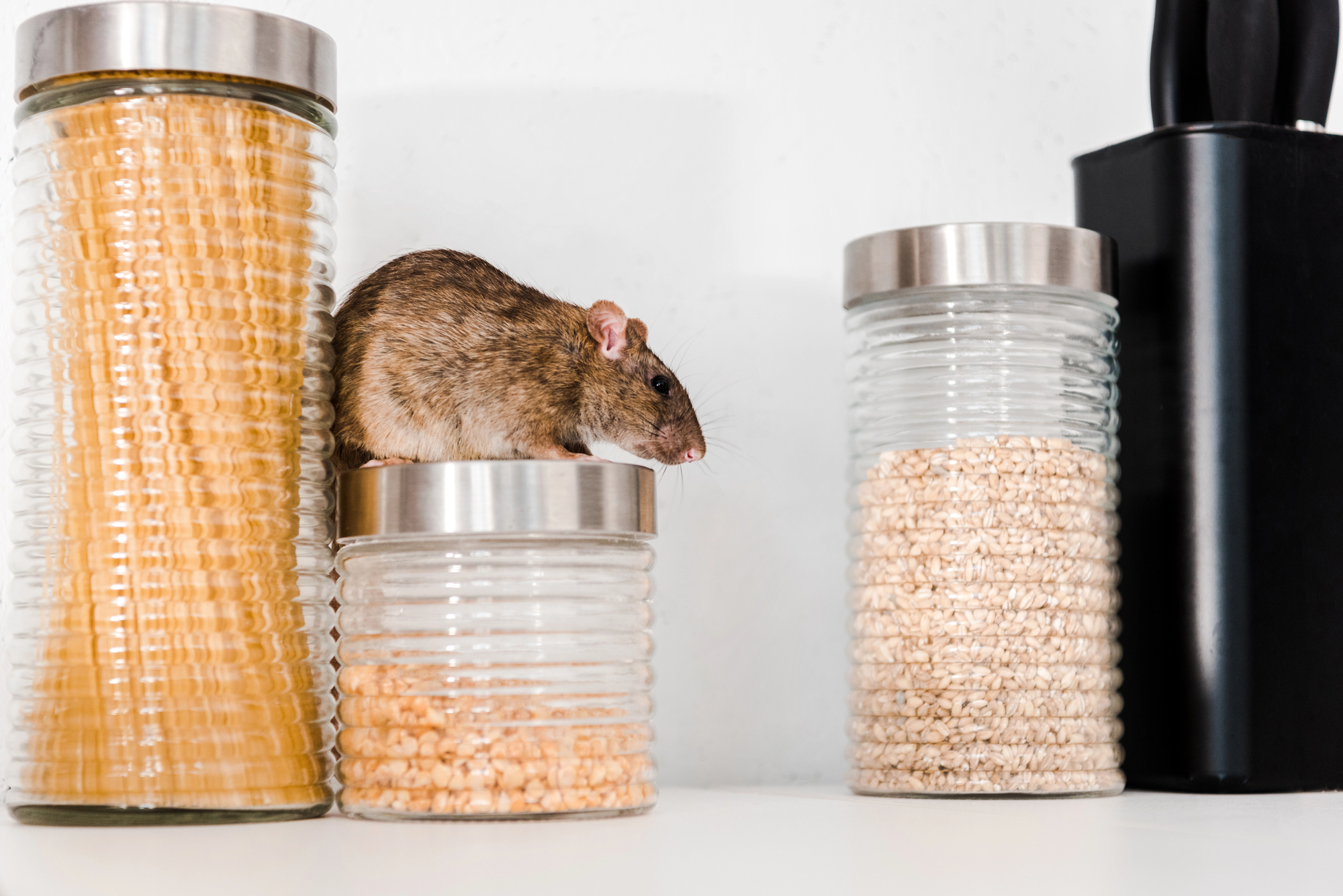
Cold temperatures push many pests indoors in search of warmth and food. Rodents such as mice and rats become more noticeable during winter, often entering through small gaps around foundations, doors, and utility lines. Once inside, they may nest in walls, attics, or basements.
Cockroaches also thrive indoors during colder months, especially in kitchens and bathrooms where moisture and crumbs are available. Winter is a good time to seal entry points, reduce clutter, and address moisture issues that attract these pests.
Spring: Reemergence and Nest Building
As temperatures rise, insect activity increases rapidly. Ants begin foraging for food and may establish trails into kitchens and pantries. Termites often swarm in spring, signaling the potential for structural concerns if left unaddressed.
Spring is also when many insects lay eggs, setting the stage for larger populations later in the year. Inspecting the exterior of your home for cracks, wood contact with soil, and standing water helps limit opportunities for pests to settle in.
Summer: Peak Activity Season

Summer brings the highest level of pest activity. Mosquitoes thrive in warm weather, particularly near standing water such as birdbaths, clogged gutters, or poorly drained lawns. Flies become more common around trash areas and outdoor dining spaces.
Wasps and hornets build nests during summer, often near rooflines, eaves, or decks. Spiders may also become more visible as they follow insect populations indoors. Regular yard maintenance and proper food storage play a major role in reducing summer pest pressure.
Fall: Preparation for Shelter
As outdoor temperatures cool, pests begin preparing for winter. Rodents increase their search for indoor shelter, while insects like boxelder bugs and stink bugs gather on sunny exterior walls before moving inside.
Fall is an important time for prevention. Clearing leaves away from foundations, storing firewood at a distance from the house, and checking weather stripping can reduce entry points. Addressing these tasks early helps prevent pests from settling in once colder weather arrives.
Year-Round Prevention Strategies
While pest activity fluctuates by season, prevention remains a year-round effort. Keeping kitchens clean, fixing leaks, and reducing clutter make your home less appealing to unwanted guests. Regular inspections of basements, attics, and crawl spaces can catch early signs of activity.
Some homeowners choose to work with pest control companies to monitor seasonal risks and apply targeted treatments when pest pressure is highest. This approach focuses on prevention rather than reacting to established infestations.
A yearly pest calendar offers clarity and structure for managing common household pests. By knowing what to expect each season, homeowners can take timely steps that protect their space, reduce stress, and support a healthier living environment all year long. Look over the infographic below to learn more.


