
It’s easy to assume your home is safe, until something goes wrong. But the truth is, many common household hazards quietly build up over time, often going unnoticed until they cause serious problems. From hidden mold to electrical faults or winter weather damage, ignoring the warning signs can put your home – and your health – at risk. If you’ve been putting off those small jobs or turning a blind eye to odd smells, damp patches, or pest droppings, now’s the time to take action before a minor issue turns into a major headache.
Mould
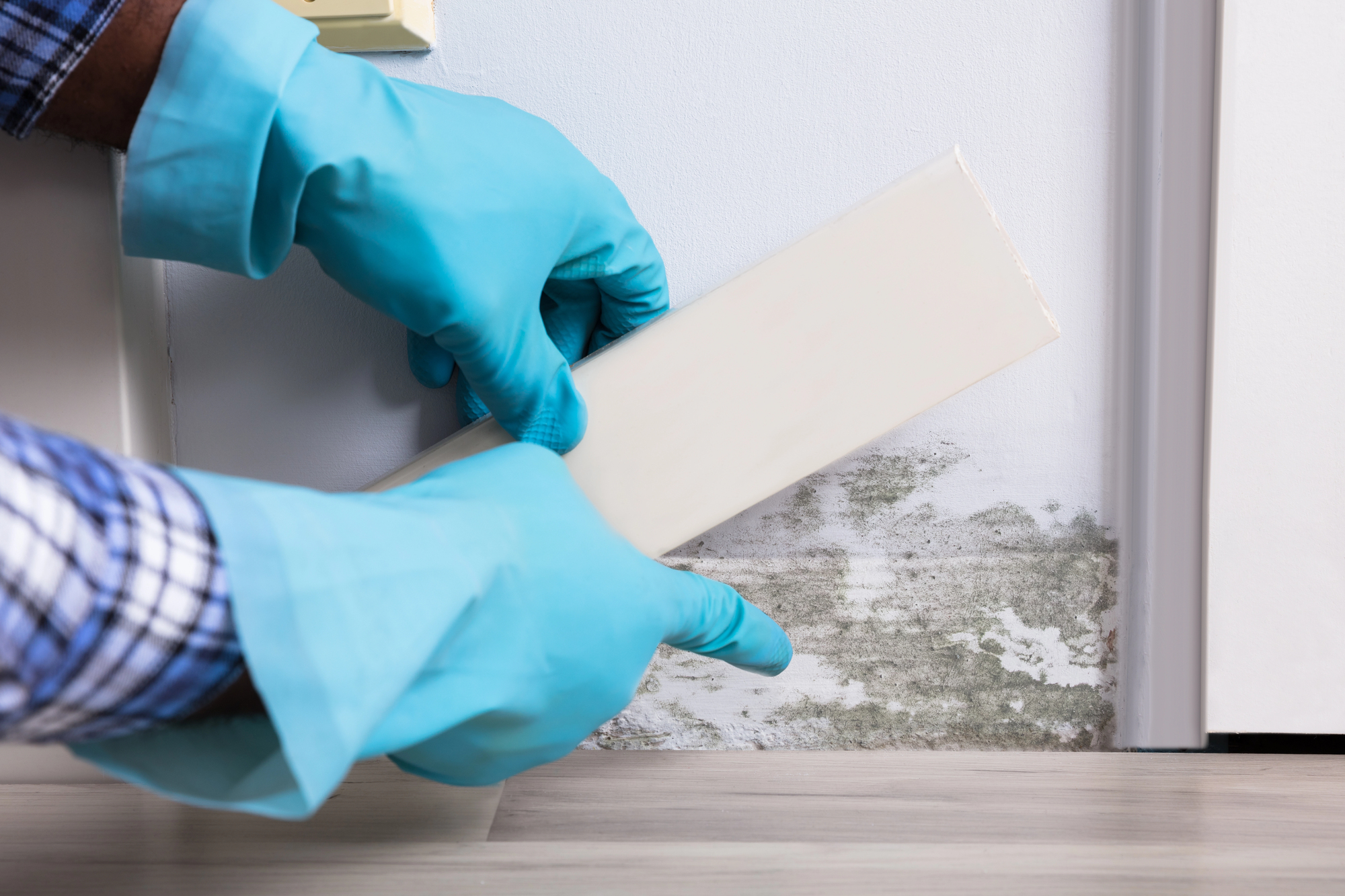
Mould isn’t just something that pops up in the shower now and then—it can be a serious health hazard if left unchecked. It thrives in damp, dark areas that have poor ventilation, so if you’re not sure whether your home is prone to moisture, it’s worth doing a bit of detective work.
Start by checking spots that don’t get much airflow, like behind furniture, inside cupboards, or around window frames. It’s also a good idea to inspect your HVAC system, under carpets, and even inside your washing machine, where lingering moisture can quickly lead to mold growth.
Catching it early is key – not just for the sake of your home, but for your health too. The sooner you spot it, the sooner you can deal with it before it becomes a much bigger problem.
Faulty Wiring and Electrical Issues
It’s easy to take electricity for granted – until something goes wrong. Flickering lights, warm outlets, tripped breakers, or that faint smell of burning plastic? All signs that something could be seriously off with your wiring. Electrical faults are one of the leading causes of house fires, and they don’t always give you much warning.
If you live in an older property or if you’ve added new appliances without upgrading your system, it’s definitely worth having a licensed electrician check things over. This is one hazard you don’t want to leave to chance.
Infestations

Spotting the odd spider or ant is one thing, but if pests are becoming regular visitors, you could be facing a full-blown infestation. Rats, cockroaches, and mice aren’t just unpleasant houseguests; they can carry harmful bacteria and spread disease, not to mention cause serious damage to your property. The key is prevention.
Make sure you’re not unintentionally rolling out the welcome mat – keep food sealed, clean up crumbs promptly, and take out rubbish regularly. Just as important is being alert to early signs, like droppings, strange smells, or scratching sounds in the walls. Acting quickly can stop a small problem from turning into a much bigger (and costlier) one.
Snow and Ice
When heavy snow or freezing conditions are on the way, it’s important not to simply hope for the best. Snow and ice can quickly pile up, blocking access to your home, damaging gutters, and even leading to structural issues if left unmanaged.
Staying ahead of the weather is key. It’s a smart move to keep the contact details of a trusted snow removal and ice management service on hand, so when the flurries hit, you’re not scrambling. Even better, take preventative steps where possible: clear gutters before the cold sets in, insulate outdoor pipes, and apply salt to walkways early. While you can’t control the forecast, you can certainly make sure your home is better prepared to handle whatever winter throws your way.
Loose or Uneven Flooring
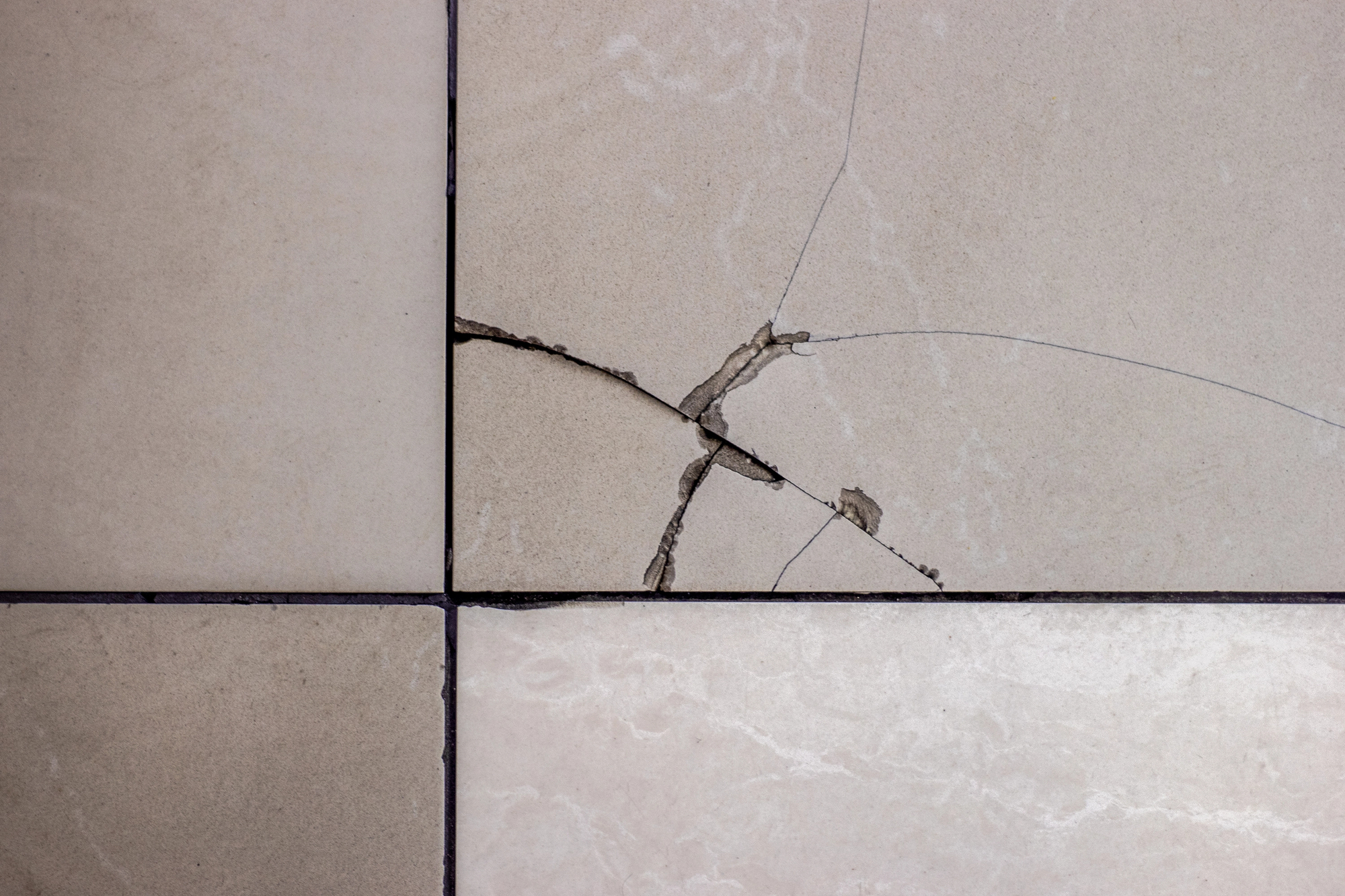
That slightly wobbly floorboard or uneven bit of tile might seem like a minor annoyance, but it’s also a trip hazard, especially for children, older adults, or anyone with mobility issues. Over time, loose flooring can worsen, making accidents more likely. Whether it’s a hallway rug that bunches up or a cracked step on the porch, it’s worth addressing before it becomes a painful (and expensive) problem.
Clogged Dryer Vents
Here’s one that often flies under the radar: clogged dryer vents. You might think emptying the lint trap is enough, but lint can build up inside the dryer duct over time – and that’s a major fire risk. If your clothes are taking longer to dry than usual or your laundry room feels hotter than it should, that’s a red flag. A yearly clean-out of your dryer vent (either DIY with a kit or by hiring a pro) is a quick fix that could save you from a dangerous and costly fire.
Blocked Gutters and Downpipes

It’s not glamorous, but keeping your gutters clear is a must. When gutters and downpipes get blocked with leaves, moss, or general debris, rainwater has nowhere to go – and that can lead to leaks, damp patches, and even structural issues. In colder months, trapped water can freeze and crack the guttering. It’s such a simple maintenance job, but skipping it could open the door to much bigger headaches later on.
Final Thoughts
The truth is, most home hazards don’t come with flashing warning signs, they creep in quietly and get worse over time. But with a little awareness and regular upkeep, you can spot the red flags before they become expensive (or dangerous) problems.
Whether it’s clearing out clogged gutters, checking for signs of mold, or simply being mindful of snow buildup in winter, staying on top of these common issues helps protect both your property and your peace of mind. A safe home is a happy home – so don’t wait until something goes wrong. Start tackling those potential hazards now, and your future self will thank you for it

