
A bad tree job in Toowoomba can leave a large gum unstable for the next storm or leave a homeowner liable for work done without approval. These questions help separate a qualified arborist from someone who just owns a chainsaw.
Why tree lopper is not the same as arborist
In Queensland anyone can print Tree Lopper on a truck door. The term is not regulated and proves neither training nor insurance. Ask what sits behind the name before work starts.
A qualified arborist is different. Australian trade training centers on Certificate III in Arboriculture, covering climbing, pruning, tree health, and safe chainsaw use. Queensland Arboricultural Association (QAA) membership is another good sign, showing contact with current practice and acceptance of peer standards.
This matters in Toowoomba, with its mature eucalypts and large backyard trees. They don’t respond well to hard cutting. Bad cuts can start decay that stays hidden for years, long after the contractor has left.
Are you trained and insured for the job?
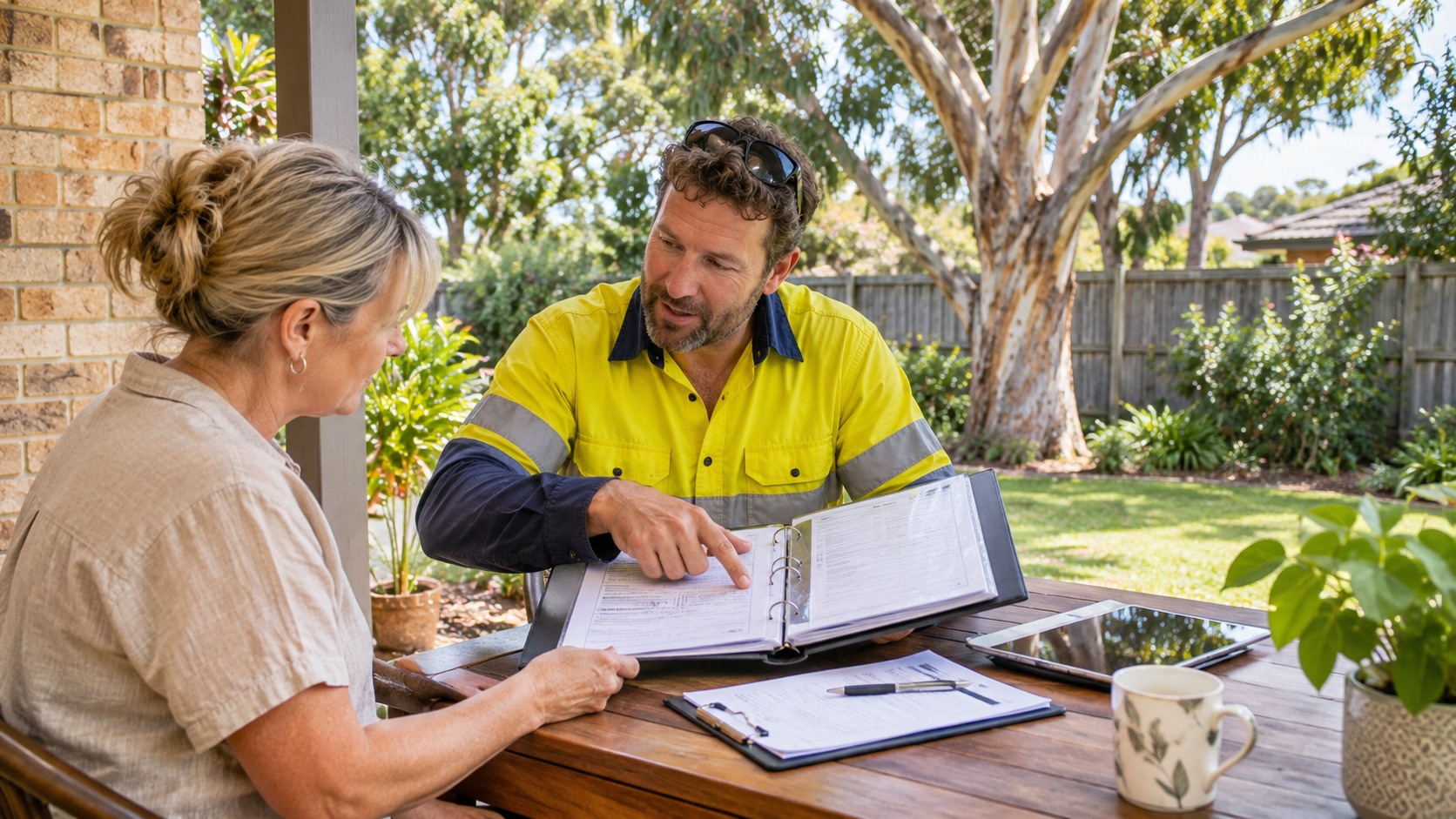
A short phone call can filter out risky contractors. Ask for papers and specifics rather than accepting vague claims.
Can you show trade qualifications?
Ask what arboriculture qualifications the contractor holds. Certificate III in Arboriculture is the base trade level for a climbing arborist. A supervisor or consultant may hold a Diploma, while ground crew may hold related chainsaw units. A clear answer matters more than memorizing course codes.
Be wary of fuzzy answers. Years of experience or fully trained mean little alone. A contractor should name the qualification and its holder, and show a certificate or card. Without anyone formally trained on site, it’s a cutting service rather than an arborist service.
Can you send insurance certificates?
Tree work can go wrong fast: a limb hits a roof, a truck sinks into a driveway, or a worker gets hurt. Two types of coverage matter.
Public liability insurance protects neighbors and property if work causes damage or injury. Workers’ compensation covers workers injured on the job. Missing coverage can pull homeowners into a claim.
Ask for a certificate of currency for each policy, not verbal promises. Check current dates and that the business name matches the quote. Reliable contractors send these readily; stalling or saying they’re at the office is a warning.
How do you manage safety on site?
Tree work falls under Workplace Health and Safety Queensland. Crews need a plan, not just equipment. Ask about drop zones, keeping people and pets clear, and safe work method statements for high-risk tasks such as climbing, rigging, or working near powerlines.
Every saw operator should hold current chainsaw accreditation, and climbers should hold climbing and rescue units. At least one person on site should hold current first aid. The contractor should explain everyone’s emergency role before booking.
How will you cut the tree?
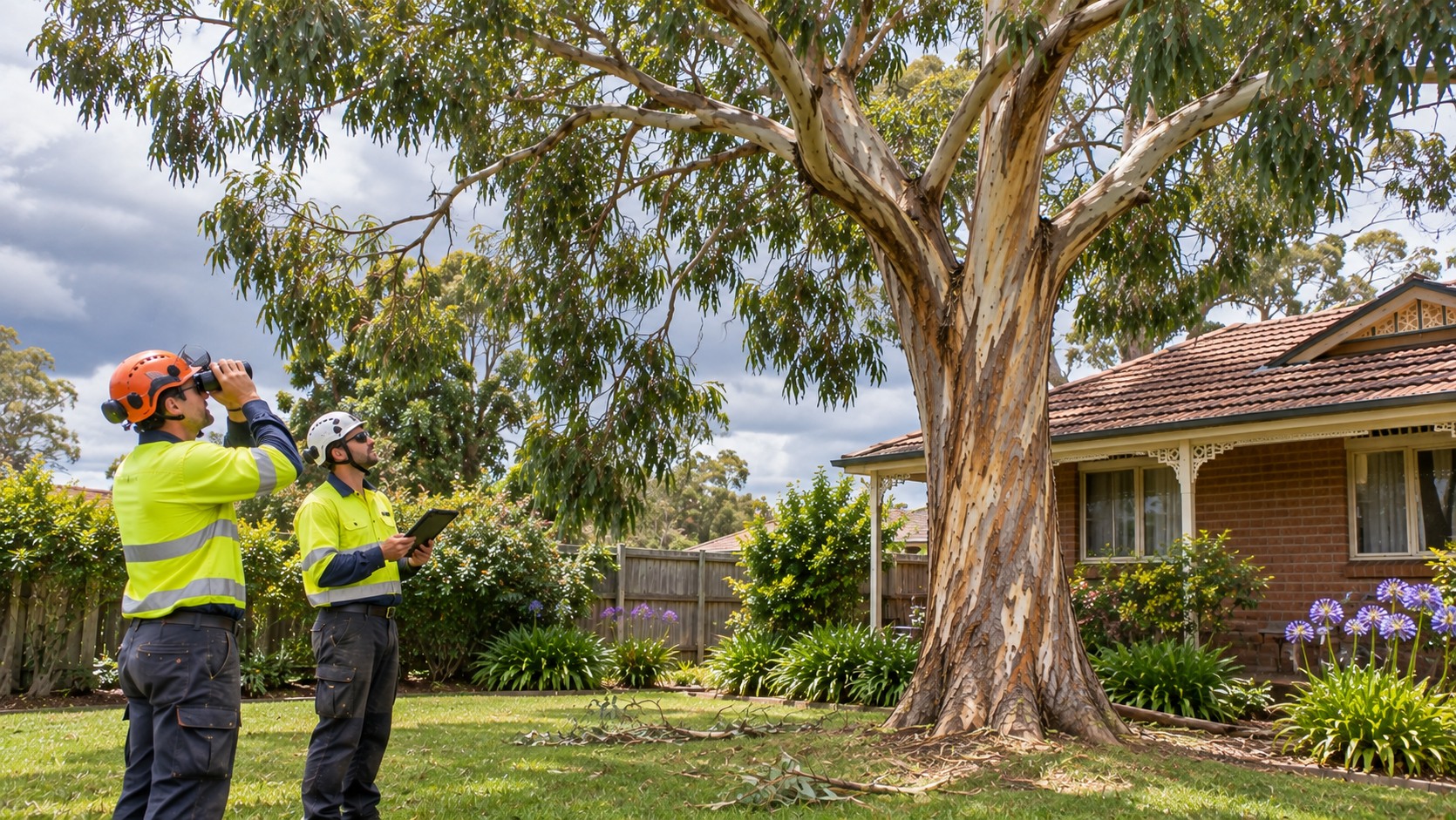
Poor lopping does lasting harm. Branch cuts affect whether a tree seals wounds or starts to rot, and a good contractor can explain them plainly.
Will you inspect the tree in person before quoting?
Photos alone aren’t enough for a firm price. Contractors need to inspect lean, cracks, dead wood, and roots, plus truck and chipper access, slope, fences, sheds, and proximity to houses and powerlines.
Expect questions about tree history, recent limb drops, drainage changes, and goals such as more light, roof safety, or wire clearance. A five-minute driveway look isn’t an inspection. A proper visit ends with options rather than pressure.
Phone estimates miss cavities, fungal fruiting bodies, and girdling roots hidden from photos. Boundary issues matter too: many Toowoomba trees stand near fences and sheds, where a wrong fell can drop weight beyond control.
Will pruning follow AS 4373-2007?
AS 4373-2007, Pruning of Amenity Trees, is Australia’s recognized national pruning benchmark. It covers cut placement, removal amounts, and practices to avoid. Homeowners can ask whether work will comply without reading the standard themselves.
Listen for detail about cuts at a branch collar or suitable lateral, rather than simply shortening branches. Contractors should explain how much crown remains and why, and mark cuts or point them out from the ground.
If answers are vague, ask where a leader will be cut, what size wounds will remain, and how the tree will close them. Clear answers signal skill; blank looks suggest guesswork.
Do you top trees or lion-tail crowns?
Topping cuts trunks and main limbs to stubs without regard for structure. Lion-tailing strips interior foliage, leaving tufts at branch tips. Both are red flags, even if they briefly look tidy.
Trouble follows. Large wounds admit decay, while starved limbs produce weak shoots that break more easily in wind, leaving a thicker, weaker tree that’s costlier to fix.
Sound contractors suggest selective weight reduction, deadwooding, or crown thinning that preserves form and necessary foliage. They also refuse requests that would wreck a tree. That honesty beats a cheap topping quote.
After discussing cutting methods, insurance, pruning standards, and council rules, homeowners comparing tree lopping toowoomba can request written quotes from contractors who meet those checks.
What is included and who will do the work?
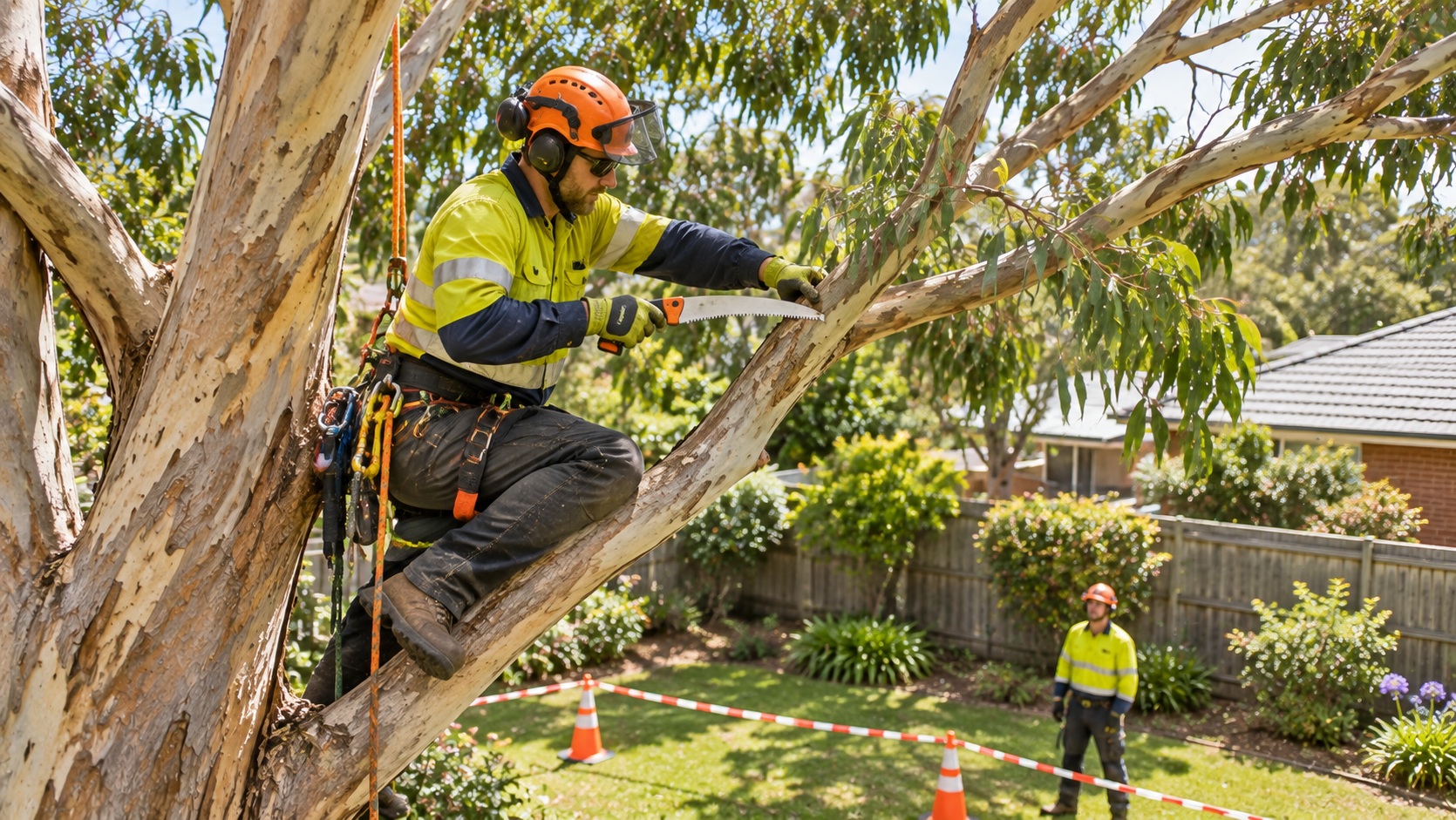
Fuzzy paperwork starts price disputes. One contractor includes cleanup and stump work; another leaves timber stacked and charges for disposal. Get the scope in writing.
What is in the written quote?
Request a written scope, not a single price line. Each tree needs a location and specified action: pruning, removal, or grinding. Heights, diameters, and approximate waste volume help make quotes comparable.
Cleanup needs detail. Ask whether paths and lawns are raked and blown down, logs cut to firewood length or removed, and mulch kept or taken away. Stump grinding is often separate; clarify depth, surface roots, and chip removal.
Timing and payment terms matter too, including start date, duration, charges for council or weather delays, deposit, and balance due. Clear terms help prevent the bill growing after work begins.
Who will climb and cut on the day?
The person quoting may not climb. Some services subcontract climbing, rigging, or stump grinding, which isn’t necessarily a problem, but homeowners should know who’s coming.
Ask who the qualified arborist is, who supervises ground crew and traffic control, and whether another business handles any work. Subcontractors should hold the same chainsaw, climbing, first aid, and safety credentials as direct staff.
Supervision matters on removals, especially heavy rigging near roofs and wires where learners shouldn’t work alone. A good answer names the climber and supervisor and says both will stay throughout. A poor answer changes the subject.
Do you understand council rules and Toowoomba conditions?
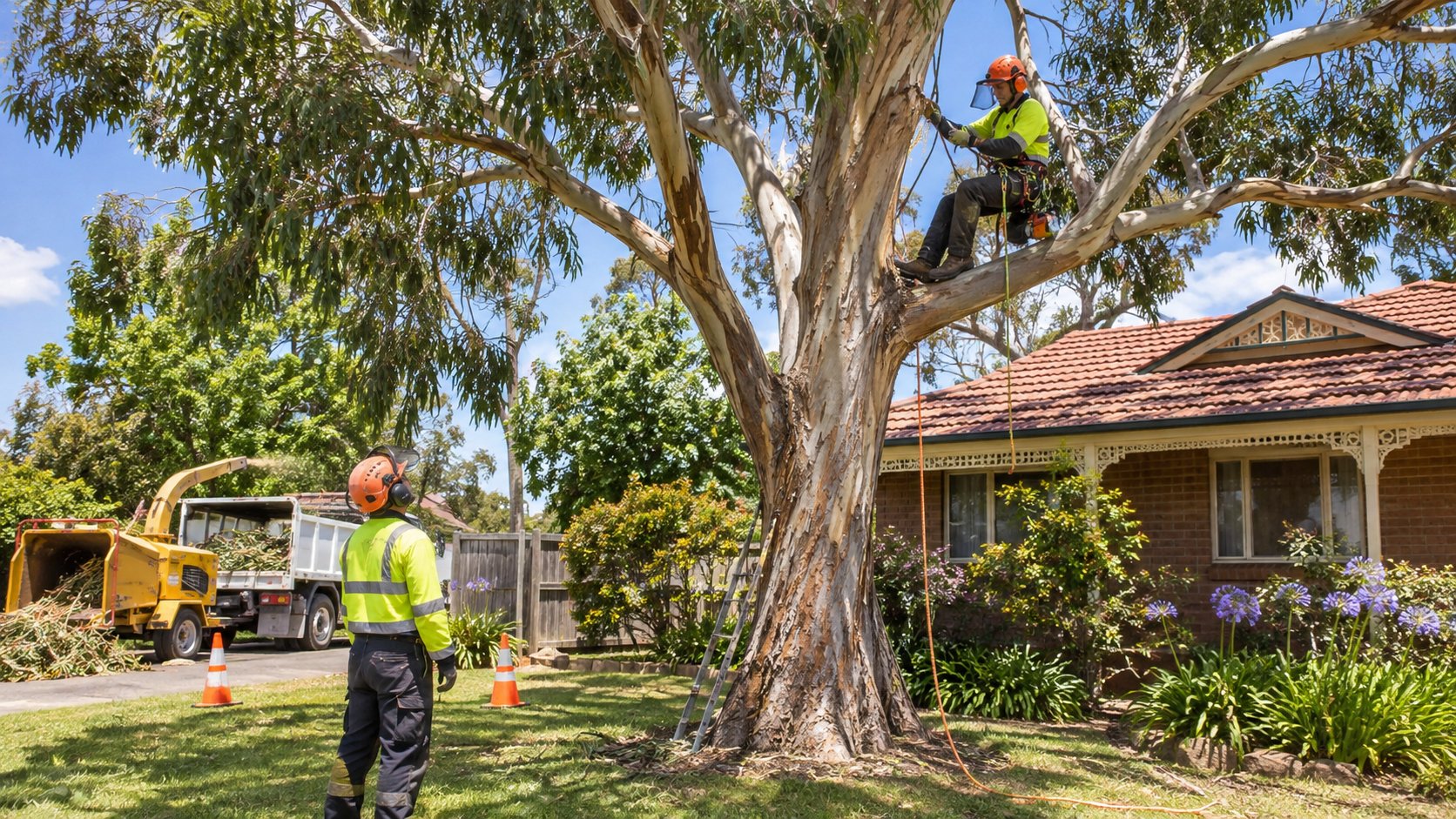
Skills need local knowledge behind them. A Toowoomba contractor should readily discuss local rules and soils, along with frost and storm conditions.
Will this job need council approval?
Overlays, heritage listings, or development conditions protect some Toowoomba trees, limiting pruning or preventing removal. Illegal work can bring fines and replanting orders despite a contractor’s reassurance.
Ask whether Toowoomba Regional Council approval may be needed. Credible contractors know when to pause for council guidance and can explain overlay maps, forms, and lodging responsibilities. Permit responsibility belongs in the quote, with required approval in place before work starts.
Don’t accept “don’t worry about council.” The homeowner may face the consequences after removal. Raising permits early protects both sides; a dismissive contractor may disappear when council asks questions.
Do you know local species and storm risk?
Summer thunderstorms and hail, winter frost in low pockets, and soils ranging from basalt reds to drier ridge soils affect Toowoomba trees. These conditions shape how eucalypts, pines, jacarandas, and street trees grow and fail.
Ask about local gums. Mature eucalypts can drop limbs in heat and wind with little warning, and old wounds, included bark unions, and dense regrowth after lopping increase risk. Local experience helps contractors explain faults and pruning’s limits.
Ask about after-hours storm help and how urgent make-safe jobs are prioritized, along with bracing or cabling weak unions and when removal is preferable to reduction. An interstate call center’s generic advice doesn’t replace local experience.
How can you prove past work nearby?
Star ratings don’t show cut quality. Ask for examples tied to Toowoomba addresses and trees.
Can you share local references and photos?
Request two or three recent nearby jobs. Before-and-after photos should show clean cuts and balanced crowns, with tidy sites. Look for cuts outside the branch collar without long stubs or flush wounds, and crowns that retain their species’ form.
Call at least one reference about punctuality, site safety, cleanup, and whether the final price matched the quote. Ask how the tree grew the following season. Straight answers from locals carry more weight than unsigned reviews.
Keep the final checklist manageable: Certificate III in Arboriculture or higher for those cutting, current liability and workers’ compensation papers, and AS 4373-2007 pruning without topping or lion-tailing. Add an on-site inspection, written scope, named crew and supervisor, early council checks, and sound local references. Contractors who welcome these questions tend to produce work that holds up after the trucks leave.

