
Garden rooms have become one of the most desirable home improvements in recent years, and it’s easy to see why. Whether you’re looking for a peaceful home office, a private gym, a creative studio or simply somewhere to escape the hustle and bustle of everyday life, a well-designed garden room can provide valuable extra living space without the cost and disruption of a traditional house extension.
Unlike a simple summer house or shed, modern garden rooms are designed to be comfortable throughout the year. With high levels of insulation, double glazing, electricity and heating, many feel just like an additional room in your home – only with the added benefit of overlooking your garden.
However, building a garden room involves much more than simply choosing a design you like. The location, size, construction materials, utilities and intended use all play an important role in creating a space that works for your lifestyle.
If you’re considering investing in a garden room, here’s everything you should think about before making your decision.
Decide How You’ll Use Your Garden Room
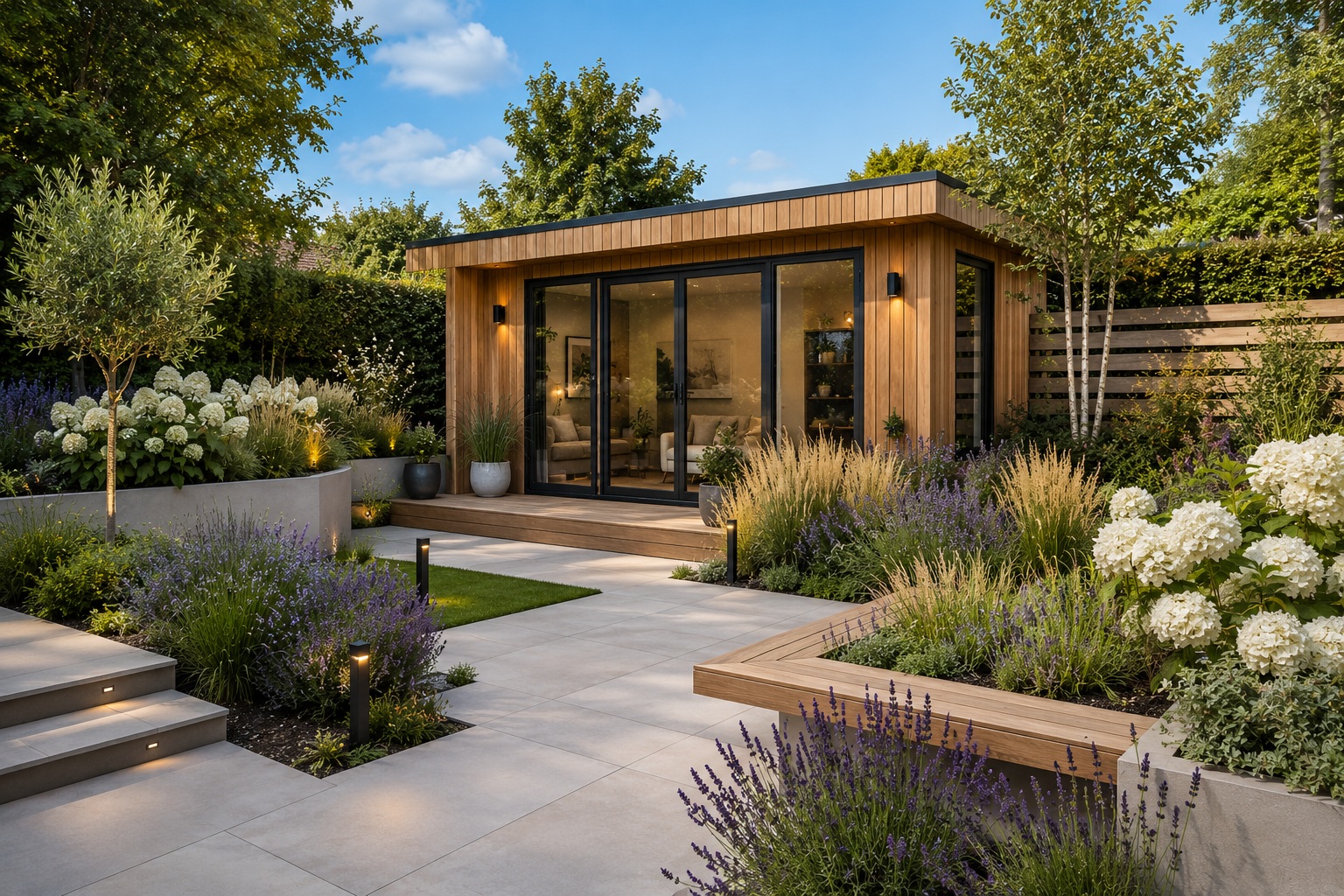
Before looking at sizes, styles or suppliers, ask yourself one important question:
What do you actually want your garden room to do?
Its purpose will influence almost every decision that follows.
Popular uses include:
- Home office
- Home gym
- Art or craft studio
- Music room
- Children’s playroom
- Garden bar
- Cinema room
- Reading retreat
- Yoga or meditation space
- Guest accommodation (where permitted)
- Hobby workshop
- Entertaining space
For example, a home office will need excellent insulation, reliable internet and plenty of electrical sockets, while a garden gym may require reinforced flooring and good ventilation. A hobby room might benefit from large windows for natural light, whereas a cinema room works better with fewer windows and improved sound insulation.
Thinking about how you’ll use the space now – and how your needs may change in the future – will help you make better long-term decisions.
Getting The Size Right
One of the biggest mistakes people make is either building too small or much larger than they actually need. When you start looking at garden rooms, it’s important to consider the dimensions so you get the size right.
A compact garden room may initially seem like a cost-effective option, but it can quickly become cramped once furniture, storage and equipment are added. Equally, building an oversized structure could overwhelm your garden, increase costs and reduce valuable outdoor space.
Begin by carefully measuring your available area and allowing enough room around the building for maintenance and access.
When considering size, think about:
- The furniture you’ll need
- Storage requirements
- Number of people using the room
- Space to move comfortably
- Future uses
Sketching out a simple floor plan or using masking tape to mark out the footprint in your garden can help you visualise the finished size before committing.
Choosing the Best Location
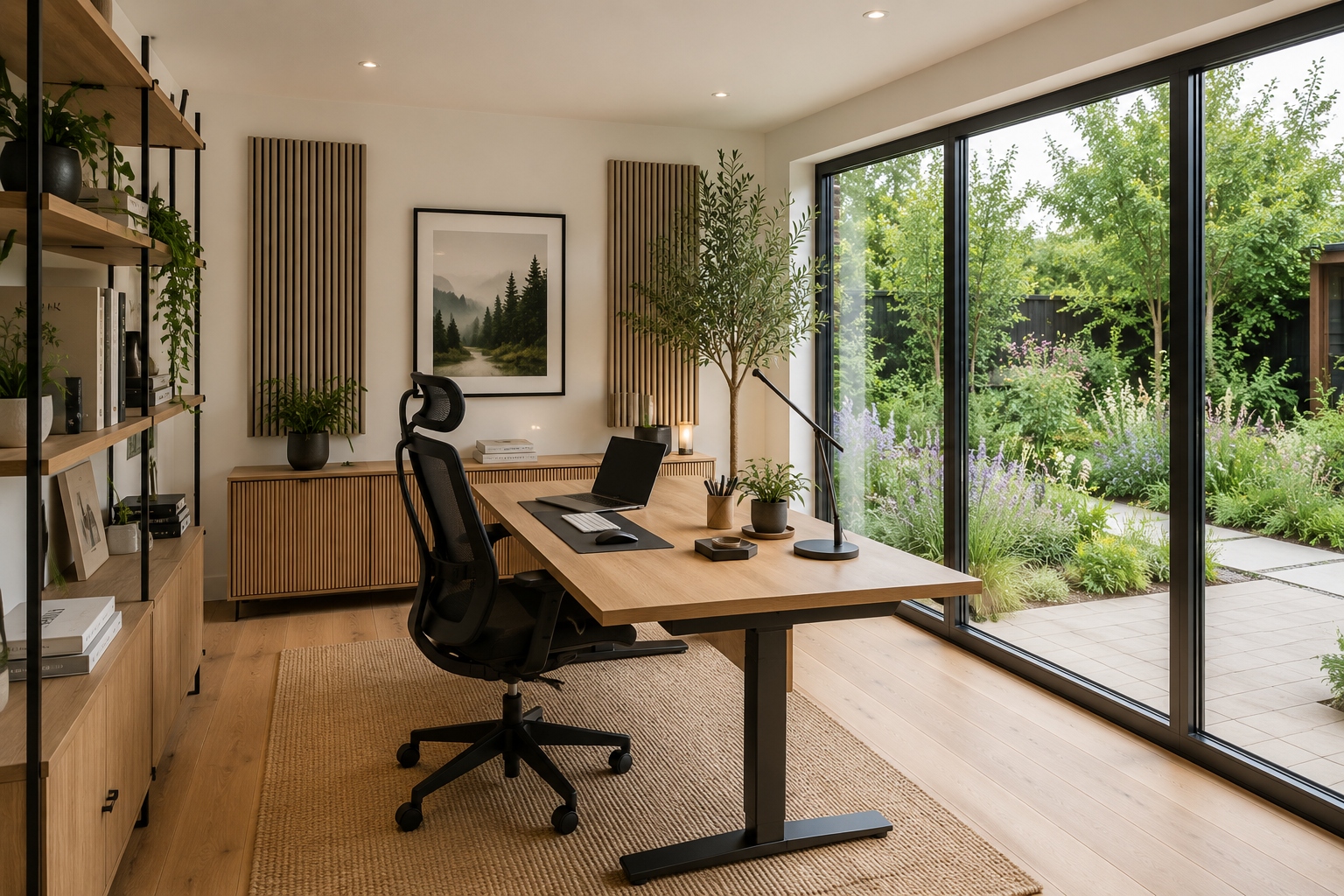
Of course, the placement in the garden itself is also hugely important and one of the aspects you need to consider alongside the size.
Although your available space may dictate where it can be built, it’s worth considering how its position will affect both the building itself and the rest of your garden.
Think about:
Sunlight
A south-facing garden room will enjoy plenty of natural light but may become warm during summer. East-facing buildings are ideal for home offices, benefiting from bright morning light, while west-facing rooms enjoy afternoon and evening sunshine.
Garden Views
Position windows and doors to make the most of attractive planting, mature trees or water features while maintaining privacy from neighbouring properties.
Accessibility
You’ll probably use your garden room much more frequently if it’s easy to reach in all weather. Consider pathways, lighting and whether you’ll regularly carry equipment, shopping or office supplies between the house and the garden room.
Impact on Your Garden
Avoid placing the building where it blocks important views, creates excessive shade over flower beds or dominates a smaller garden.
Do You Need Planning Permission?
Many garden rooms fall under permitted development rights, meaning formal planning permission isn’t normally required.
However, there are important exceptions.
Planning permission may be needed if:
- Your property is listed.
- You live in a conservation area with additional restrictions.
- The building exceeds permitted development size or height limits.
- You intend to use it as separate living accommodation.
- The structure is positioned in front of your home.
Requirements can vary depending on your property and local authority, so it’s always sensible to check before construction begins.
If you’re investing several thousand pounds, confirming the planning position first can prevent costly problems later.
Think Carefully About Foundations
Every garden room needs stable foundations.
The right choice depends on factors including ground conditions, drainage, soil type and the size of the building.
Common options include:
- Concrete slab foundations
- Ground screw foundations
- Concrete pads
- Timber base systems
Professional installers will normally recommend the most appropriate option after surveying your site.
Proper foundations ensure the building remains level, prevent movement over time and help extend its lifespan.
Choosing Construction Materials
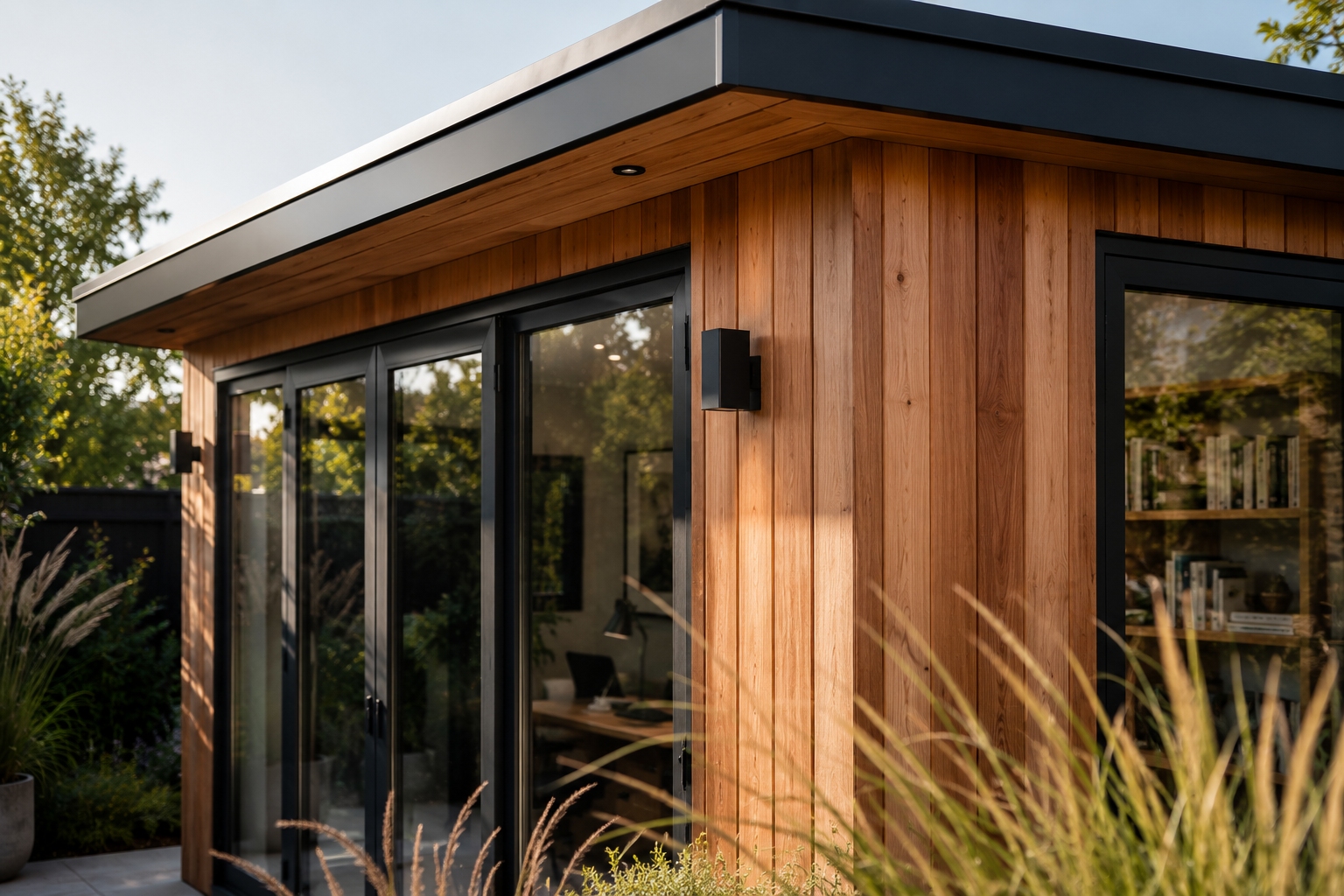
Garden rooms are available in a wide range of materials, each offering different benefits.
Timber
Timber remains one of the most popular choices thanks to its natural appearance and excellent insulation properties. High-quality timber cladding can look beautiful for decades with regular maintenance.
Composite Cladding
Composite materials combine durability with low maintenance. They won’t usually require repainting and resist rot, fading and insects.
Cedar
Western Red Cedar is a premium option that naturally weathers to an attractive silver-grey while offering excellent durability.
Thermally Modified Timber
Heat-treated timber provides improved stability and resistance to moisture while maintaining a natural appearance.
Whichever material you choose, look for high-quality construction with robust framing, quality insulation and durable exterior finishes.
Insulation Makes All the Difference
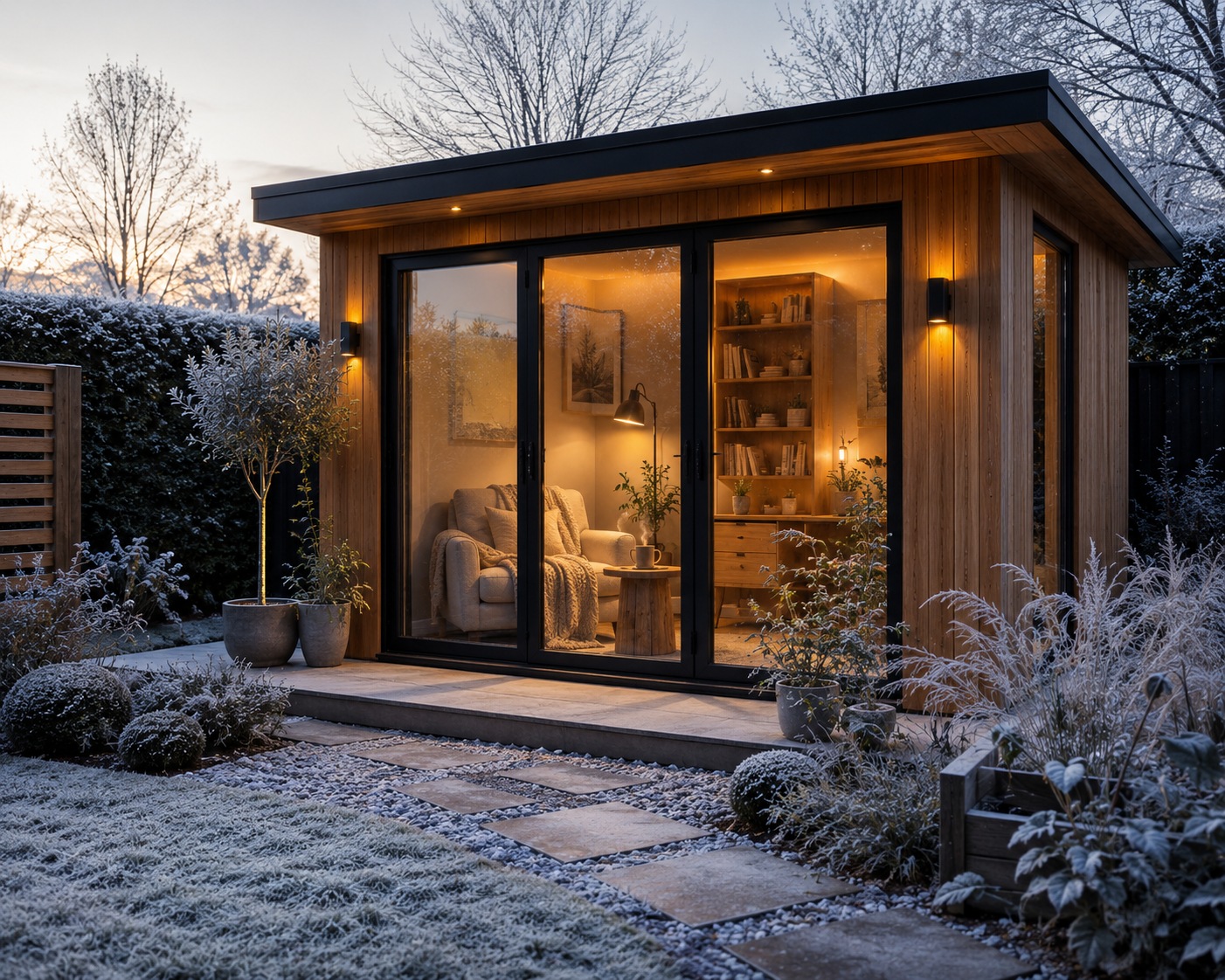
Not all garden buildings are created equal.
A traditional summer house may only be comfortable during warmer months, while a properly insulated garden room can be used throughout the year.
Good insulation should include:
- Floor insulation
- Wall insulation
- Roof insulation
- Double or triple glazing
- Draught-proof doors and windows
Better insulation keeps heating costs lower while making the space far more comfortable in both summer and winter.
Electricity and Internet Connection
If you plan to spend significant time in your garden room, electricity is almost essential.
A qualified electrician can safely install a dedicated electrical supply from your home.
Consider including:
- Plenty of plug sockets
- Interior lighting
- Exterior lighting
- USB charging points
- Data cabling
- Outdoor sockets if required
For anyone working remotely, reliable internet access is equally important.
Depending on the distance from your house, options include:
- Mesh Wi-Fi systems
- Ethernet cabling
- Wi-Fi extenders
- Fibre connections where available
Planning these services early is much easier than adding them later.

Heating, Cooling and Ventilation
A comfortable garden room needs effective temperature control throughout the year.
Heating options include:
- Electric panel heaters
- Infrared heaters
- Underfloor heating
- Air conditioning with heating functions
At the same time, don’t overlook ventilation.
Opening windows, trickle vents and good airflow help prevent condensation while keeping the room comfortable during warmer weather.
Will You Need Water?
Many garden rooms function perfectly without plumbing, but certain uses may benefit from a water supply.
You might need water if you’re creating:
- A home salon
- Garden kitchen
- Hobby workshop
- Artist’s studio
- Utility area
- Guest facilities
Consult a professional for plumbing maintenance to ensure water can be supplied to your new garden room. Adding plumbing and drainage increases costs, but it can make the building significantly more versatile.
Security Matters
A quality garden room often contains expensive equipment, whether that’s computers, gym equipment, musical instruments or furniture.
Look for security features such as:
- Multi-point locking doors
- Toughened glazing
- Secure window locks
- Exterior lighting
- Smart security cameras
- Alarm systems
Keeping surrounding planting well maintained also improves visibility and security.
Designing the Interior
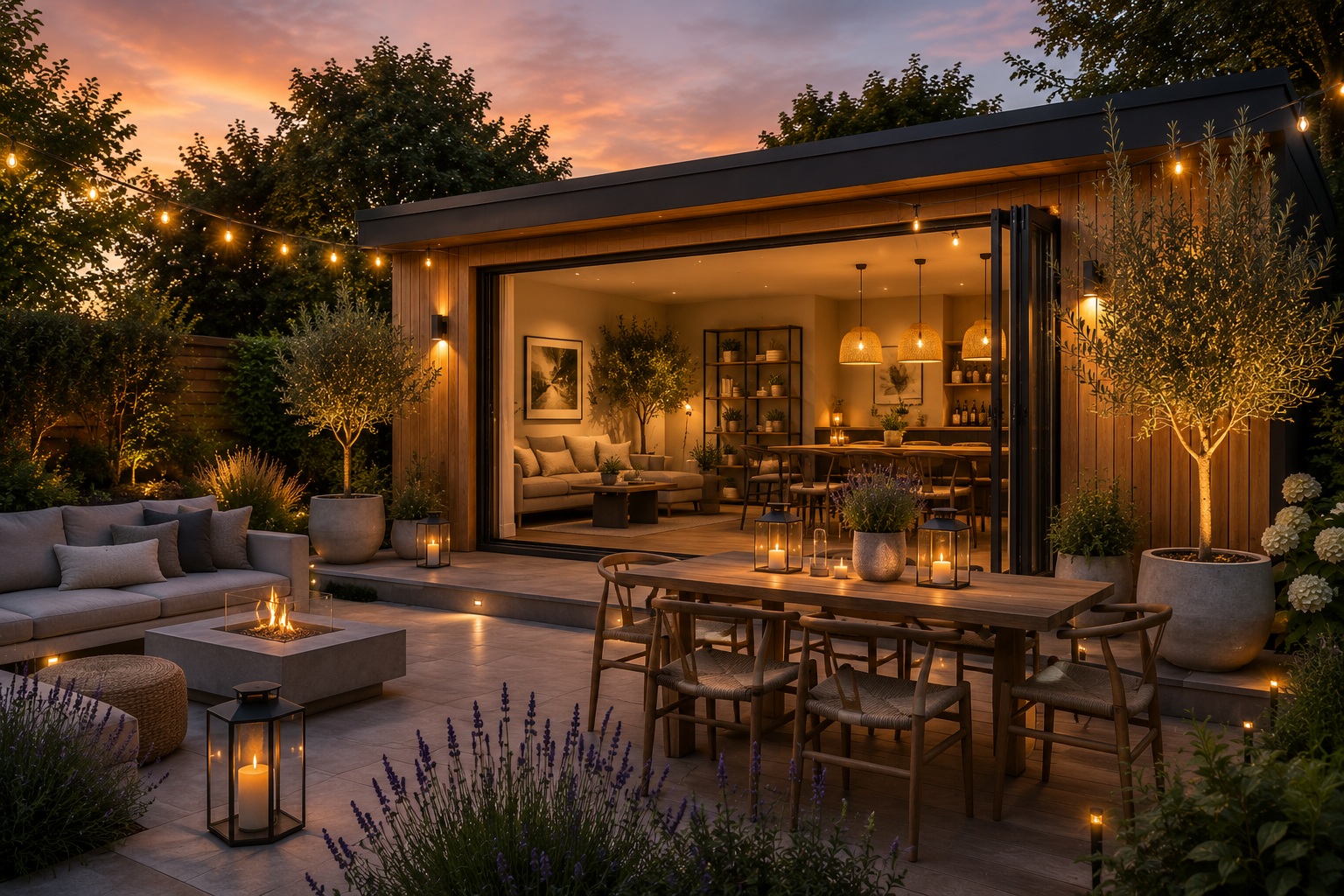
One of the most enjoyable parts of planning a garden room is designing the inside.
Choose a style that complements both your home and the purpose of the room.
Popular design styles include:
- Scandinavian simplicity
- Japandi minimalism
- Contemporary luxury
- Modern farmhouse
- Coastal-inspired interiors
- Industrial style
Natural materials, soft lighting, comfortable seating and carefully chosen accessories can transform the space into somewhere you’ll genuinely enjoy spending time.
Don’t Forget the Outside
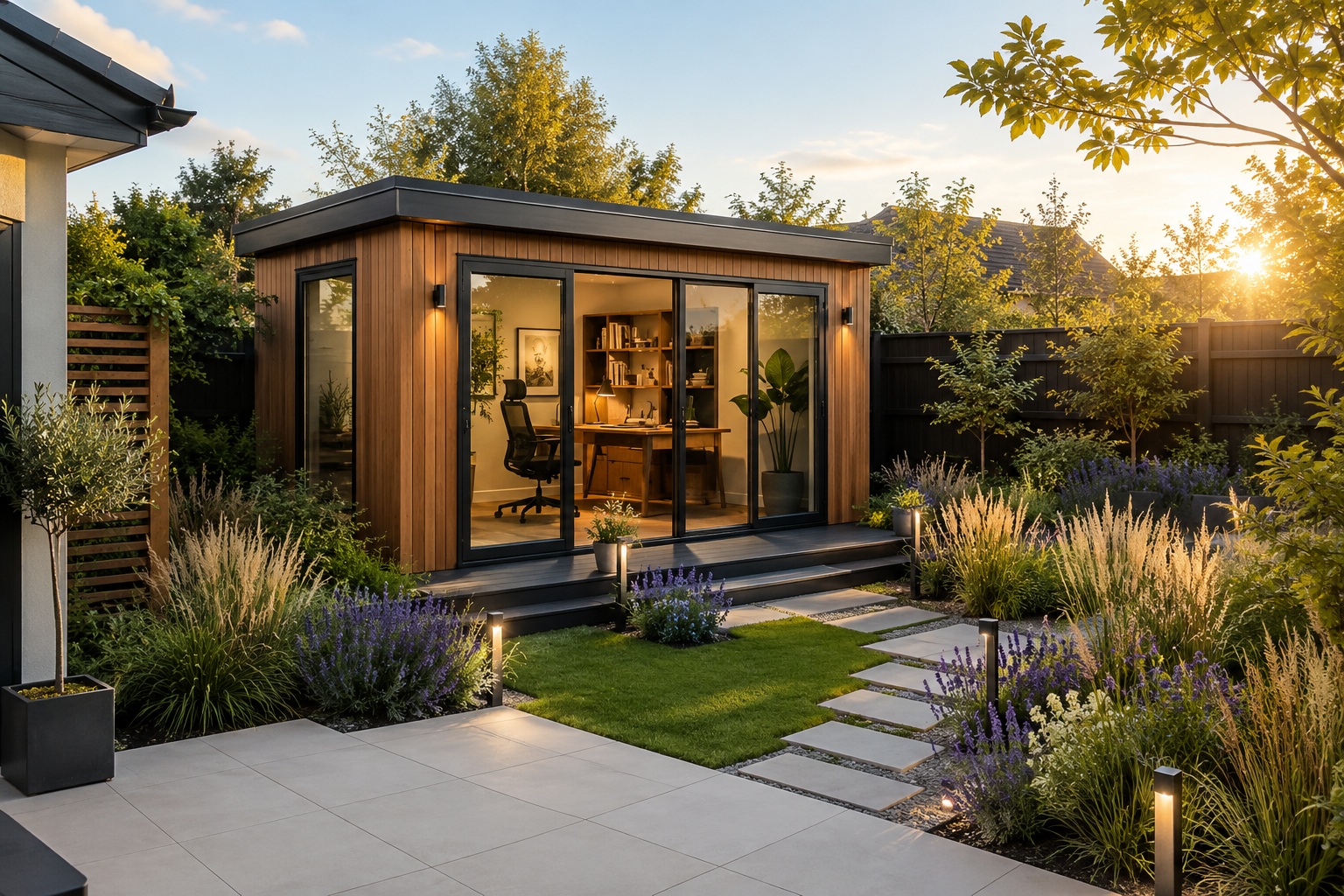
A beautiful garden room should feel integrated into the garden rather than simply placed at the end of it.
Consider improving the surrounding landscaping with:
- Paved paths
- Timber decking
- Raised planting beds
- Ornamental grasses
- Climbers
- Outdoor lighting
- Decorative gravel
- Seating areas
Thoughtful landscaping helps the building feel like a natural extension of your garden.
Budget Carefully
Garden room prices vary considerably depending on size, specification and materials.
According to Costwise, a garden room typically costs around £16,000 installed, with most falling between £8,000 and £30,000 depending on size and spec.
Remember to budget for additional costs, including:
- Foundations
- Electrical installation
- Heating
- Internet connection
- Furniture
- Landscaping
- Interior decoration
A realistic budget helps avoid unpleasant surprises later.
Common Mistakes to Avoid
Many homeowners wish they’d known a little more before starting.
Some of the most common mistakes include:
- Choosing a building that’s too small.
- Underestimating storage requirements.
- Forgetting about internet connectivity.
- Not installing enough electrical sockets.
- Poor positioning that creates overheating.
- Choosing inadequate insulation.
- Ignoring future needs.
- Focusing on appearance over practicality.
Taking time to plan properly usually saves money and frustration in the long run.
Choosing the Right Supplier
Not all garden room companies offer the same level of quality.
Before placing an order, compare suppliers carefully.
Ask about:
- Construction methods
- Insulation specifications
- Warranty length
- Previous customer reviews
- Installation times
- What’s included in the quotation
- After-sales support
If possible, visit completed installations or show sites to see the quality firsthand.
Can a Garden Room Add Value?
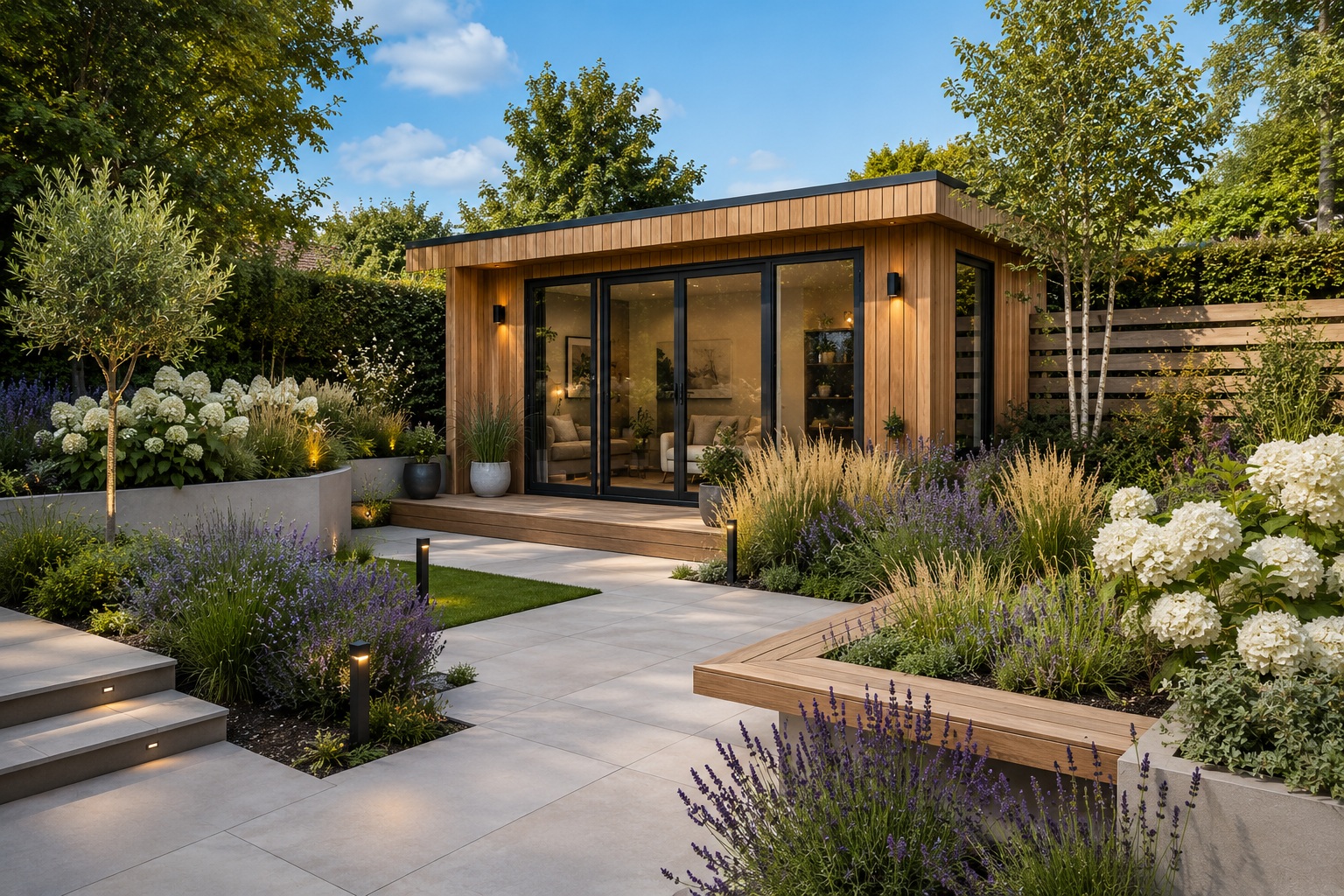
Although every property is different, a well-designed, high-quality garden room can make your home more attractive to future buyers.
Flexible living space is increasingly desirable, particularly as more people work from home or want dedicated areas for hobbies and fitness.
Even if increasing property value isn’t your primary motivation, many homeowners find the additional usable space significantly improves their quality of life.
Garden Room Planning Checklist
Before ordering your garden room, make sure you’ve considered the following:
- Decide how you’ll use the space.
- Measure your available garden carefully.
- Check whether planning permission is required.
- Set a realistic budget.
- Choose the best location.
- Select suitable construction materials.
- Plan foundations.
- Arrange electricity and internet.
- Decide whether plumbing is needed.
- Choose heating and ventilation.
- Plan furniture and storage.
- Improve the surrounding landscaping.
- Compare several reputable suppliers.
Final Thoughts
A garden room is much more than an attractive building at the end of your lawn. When thoughtfully planned, it becomes a practical extension of your home that can adapt to changing lifestyles for many years to come.
Whether you’re creating a productive home office, a peaceful retreat or a space for entertaining family and friends, taking time to consider the size, location, construction, utilities and future flexibility will help ensure your investment delivers exactly what you need.
With careful planning and quality construction, a garden room can become one of the most rewarding improvements you make to your home, providing valuable extra space, enhancing your garden and creating a place you’ll enjoy using throughout every season.

