Cooking with wine brings dimension, aroma, and richness to everyday dishes. It adds layers of flavor that are difficult to achieve with broth or water alone. Learning how to use it correctly can help home cooks expand their skills and bring more depth to their meals.
How Wine Enhances Flavour

Wine contributes three essential qualities to recipes. It balances richness, reduces heaviness, and sharpens flavors. Aromas fuse with ingredients to create complexity. Alcohol extracts and dissolves fat-soluble compounds, helping ingredients release deeper flavors.
As wine simmers, alcohol gradually evaporates. What remains is a concentrated flavor base that supports the main ingredients. Reduction is key. Letting wine cook down prevents a harsh taste. A well-reduced sauce should feel harmonious. If it tastes too acidic, adding a small amount of butter or cream can help round the edges.
Choosing the Right Wine for Cooking
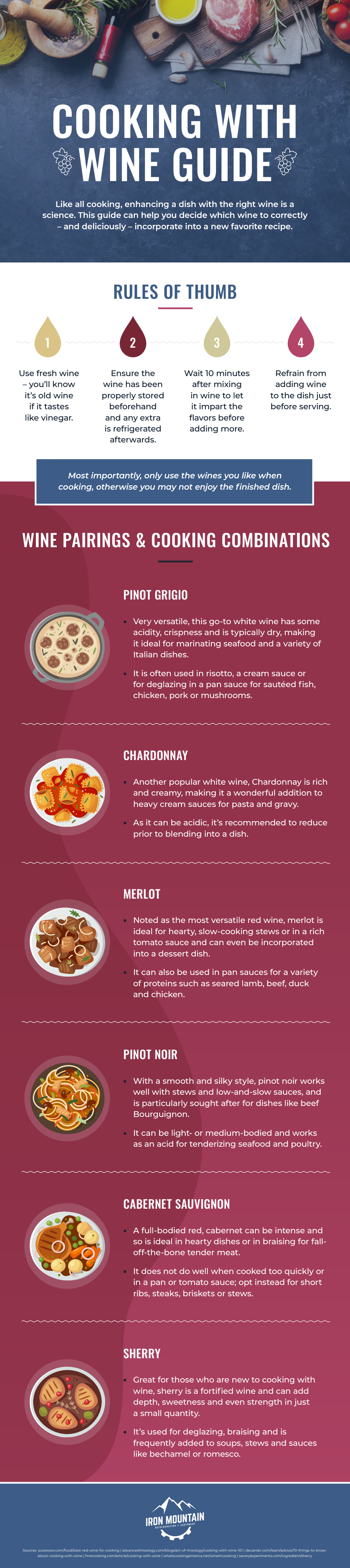
Selecting the right wine matters more than many people realize. A wine you would never drink should not be poured into a pan. Low quality or artificially sweetened wines turn bitter or syrupy once reduced. Dry wines work best because they contribute acidity and structure.
Red wines such as Cabernet Sauvignon, Merlot, or Pinot Noir pair well with beef, mushrooms, and tomato-based dishes. Their tannins soften during cooking, adding warmth and roundness. White wines like Sauvignon Blanc, Chardonnay, and Pinot Grigio shine in seafood, chicken, and vegetable recipes.
Avoid cooking wines sold in supermarkets. These products often contain salt and additives that interfere with flavor. A reasonably priced bottle of table wine provides better results and greater versatility.
Using Wine in Sauces, Marinades, and Braises

Wine can serve as the foundation for a variety of preparations. Deglazing a hot pan with wine after searing meat loosens browned bits from the surface. These flavorful morsels dissolve into the wine, forming the start of a rich sauce. This technique works especially well with steak, pork chops, and sautéed vegetables.
Marinades benefit from wine’s acidity, which helps tenderize proteins. Red wine works beautifully for beef or lamb, while white wine adds subtle brightness to chicken or seafood. Because marinades are not cooked thoroughly, strong or high-alcohol wines should be avoided to prevent a harsh aftertaste.
Braising is another ideal use for wine. Slow cooking tough cuts of meat in a mixture of wine, broth, and aromatics results in tender texture and deep flavor. Classic dishes like coq au vin and beef bourguignon rely on wine to enrich and bind the ingredients into a cohesive meal.
Storing Wine for Cooking
Many home cooks hesitate to open a bottle for cooking because they worry about waste. Fortunately, leftover wine keeps well for several days if refrigerated. Storing open bottles in a wine cooler preserves freshness even longer. For frequent cooking, smaller bottles or boxed wine provide convenience without sacrificing quality.
Cooking with wine invites creativity and encourages experimentation. With thoughtful selection and proper technique, wine elevates flavor, enhances aroma, and adds depth to both simple weeknight meals and elaborate dishes. Check out the infographic below to learn more.